


Sharda Sinha: A Voice That Grew to become The Prayer of The Soil
Within the days main into Chaitra Chhath, Bihar gathers itself with a quiet, virtually meditative grace. The rhythm of life alters gently . There’s a softness within the mornings, a sure stillness that settles earlier than the day begins. Courtyards are washed, utensils polished, and the primary preparations start in kitchens that awaken earlier than dawn. The soop and the daura emerge from their cautious resting locations, fruits are organized with a devotion that feels instinctive, and thekua is formed with a precision that carries reminiscence in each curve. Nothing feels hurried. Every part feels emotional.
On the ghats, there’s a stillness that carries its personal language. Water holds the reflection of a sky that appears nearer throughout lately, and as nightfall gathers, girls step into the river with a quiet energy that has travelled by means of generations. Their silhouettes, framed towards the setting solar, carry inside them a historical past of devotion that has by no means required articulation. Chaitra Chhath lives in these moments, within the self-discipline of the physique, within the give up of the spirit, within the continuity of a ritual that strikes from mom to daughter with a pure ease. Inside this continuity, there’s a voice that has come to inhabit the very essence of the pageant. It doesn’t arrive as an addition. It feels current from the start, woven into the material of the ritual itself. The voice of Sharda Sinhaji.
Her songs transfer alongside the devotee, by means of preparation, by means of fasting, by means of prayer. They fill the areas that stay unstated, providing a quiet companionship. In numerous houses, her voice begins earlier than the primary gentle and continues by means of the lengthy hours of the vrat, carrying each the love and the great thing about devotion. Over time, this presence has grown so deeply rooted that it feels inseparable from Chhath itself.
Bihar, in its cultural expression, holds a relationship with music that feels natural and instinctive. It’s a land the place emotion seeks melody as its pure type. The on a regular basis carries track inside it. A lullaby, a marriage chorus, a harvest tune, and rather more…..each emerges from lived expertise, formed by voices that carry ahead what they’ve obtained. There’s a continuity on this expression that resists interruption. It doesn’t depend upon preservation. It survives by means of participation.
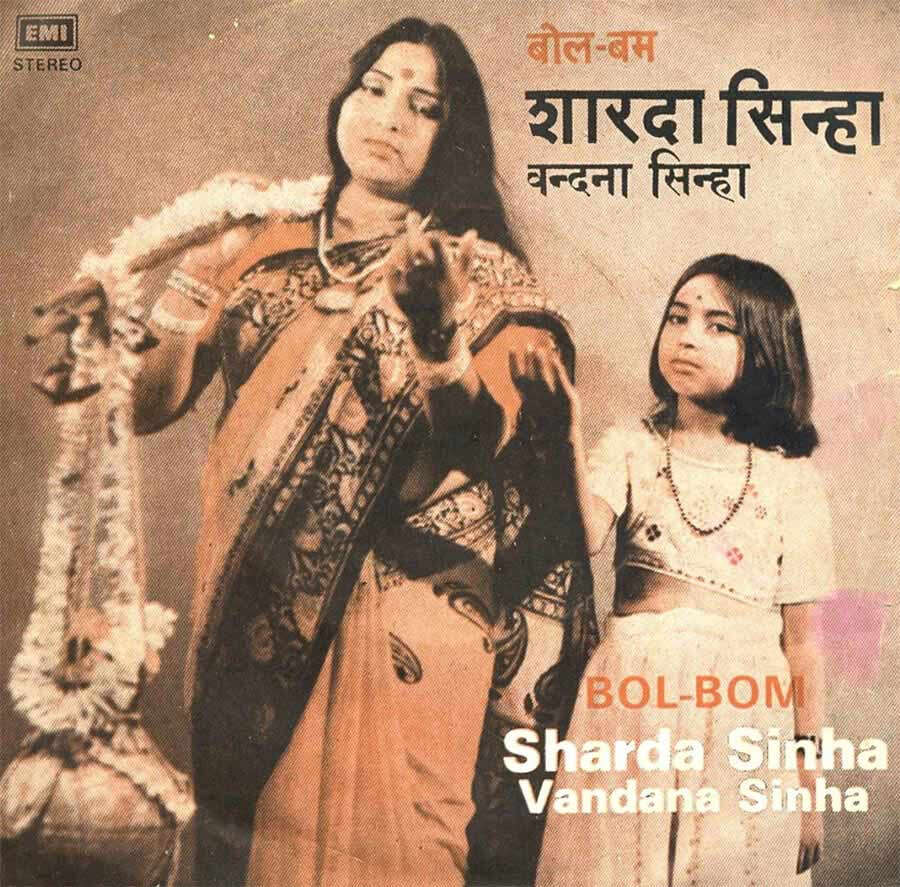
Inside this panorama, Sharda Sinha’s contribution unfolds as one thing each profound and deeply grounded. Her work carries the sensitivity of somebody who understood that people music holds greater than sound. It carries reminiscence, id, and belonging. Every track turns into a vessel by means of which a neighborhood recognises itself.
Her coaching in classical music introduced with it a self-discipline that formed her method. Years of observe, of refining sur and understanding the intricacies of raga and taal, discovered their approach into her singing. But what distinguishes her journey is the way during which she selected to carry that self-discipline into the realm of people music. She allowed the construction of classical coaching to strengthen her voice, whereas her expression remained firmly rooted within the soil from which it emerged.
She sang in Bhojpuri, Maithili, Magahi, Angika, and Bajjika with a depth that mirrored each understanding and respect. Every dialect carried its personal cadence, its personal emotional register, and he or she entered each with attentiveness. Her singing carried the feel of lived expertise, permitting listeners to really feel a way of familiarity, a recognition that transcended geography.
Her work obtained recognition on the highest ranges. The Padma Shri, adopted by the Padma Bhushan, and later the Padma Vibhushan, marked her contribution throughout the nationwide framework. The Sangeet Natak Akademi honoured her artistry. But her most enduring presence continues to reside in areas untouched by formal recognition, within the on a regular basis rituals of life.
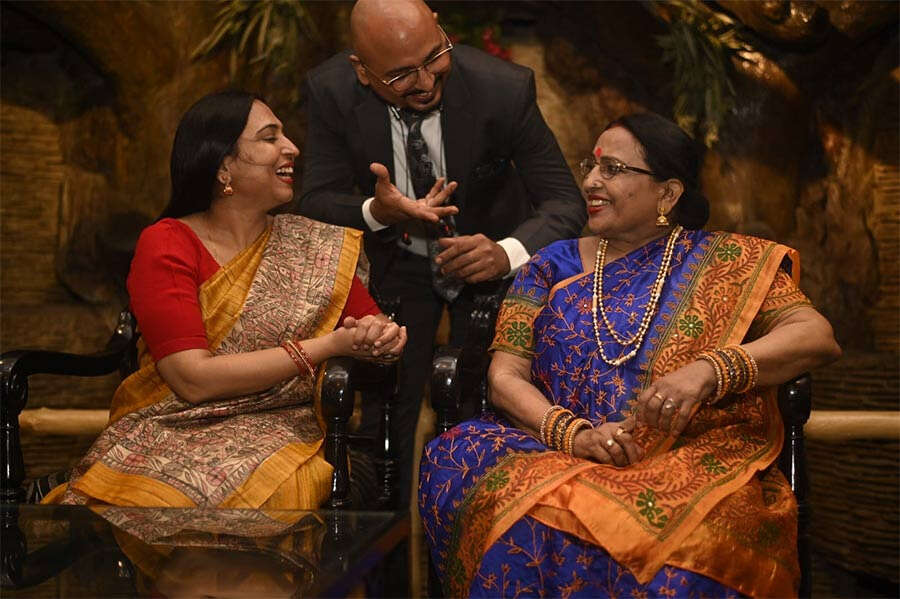
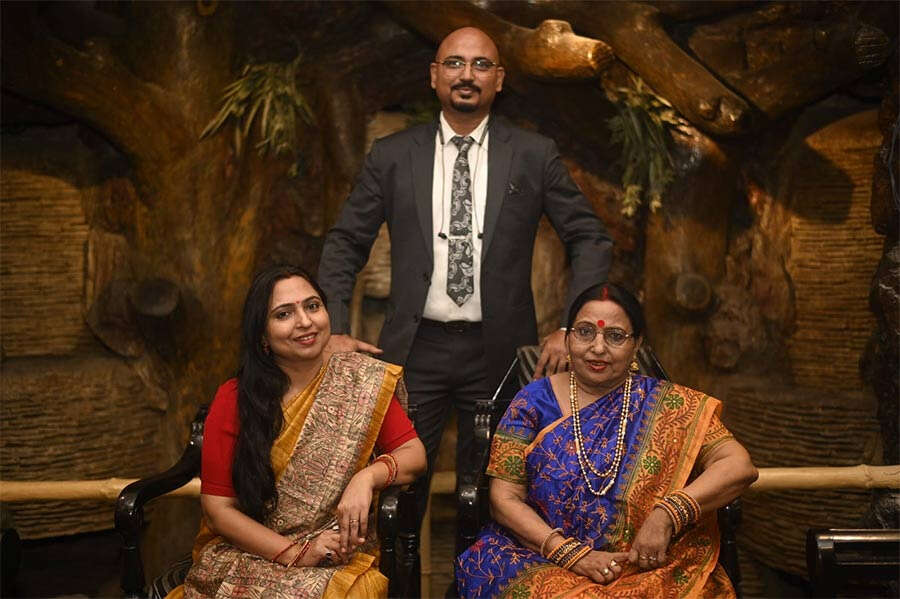
To step nearer to the lady behind this voice, I turned to her youngsters, Vandana and Anshuman. What unfolded was a dialog formed by affection, reminiscence, and a quiet reverence that carried the intimacy of lived expertise.
⸻
Whenever you consider your mom in the present day, what’s the first picture that involves you?
Anshuman: It all the time begins with sound. Even earlier than a picture, there may be her voice. It feels as if the home itself held that sound. Mornings would start with it, and the day would unfold round it. After I consider her now, I nonetheless hear that continuity. It doesn’t really feel like one thing from the previous. It feels current.
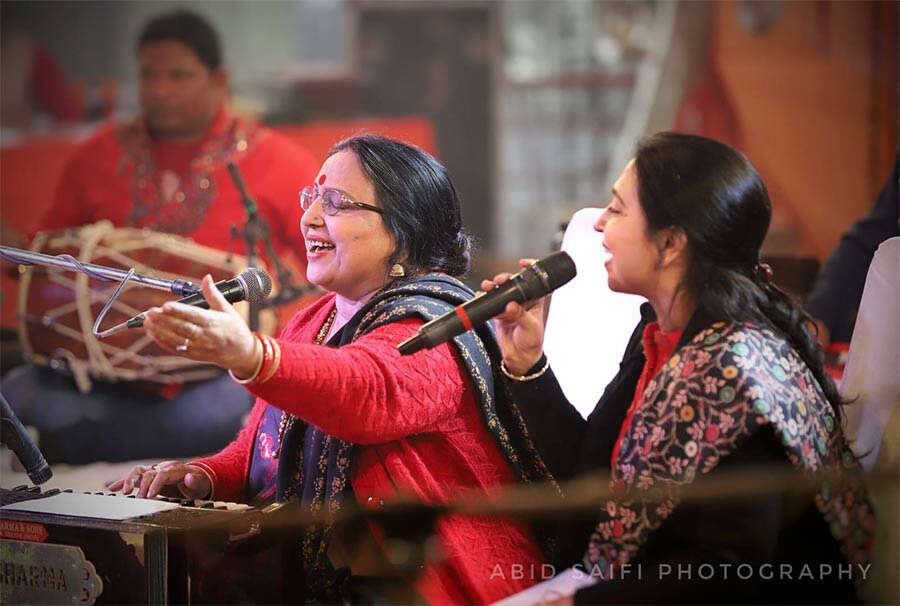
Vandana: For me, it’s her sitting with the tanpura, utterly immersed. There was a stillness round her when she practised. It felt as if time paused in these moments. After which, virtually seamlessly, she would lookup and ask if we had eaten, if we wanted one thing. That motion between immersion and care stays with me.
⸻
Did her self-discipline really feel demanding as youngsters, or did it form itself naturally round your lives?
Vandana: It formed itself round us in a approach that felt very natural. Her observe had a rhythm, and we turned part of that rhythm. There was by no means a way of being separate from it. If something, it created a way of grounding. It gave construction to our days.
Anshuman: There was an understanding that her work required dedication. That understanding got here naturally as a result of we noticed it day by day. It didn’t must be defined.
⸻
There’s usually a notion that artists carry their work and their private lives individually. How did that really feel in her case?
Anshuman: In her case, there was a seamlessness. Music was part of her being. It didn’t really feel like one thing she stepped into. It flowed by means of every part she did.
Vandana: Even in dialog, there was a sure musicality in the way in which she spoke. A pause, a tone, a rhythm. It felt related.
⸻
Her early experiences in Lucknow maintain a big place in her journey. How do you keep in mind that part by means of what she shared?
Anshuman: She spoke of it as a second that formed her readability. She had gone with preparation, with hope, and he or she sang what she knew greatest. That have stayed together with her, not as one thing that outlined her, however as one thing that helped her perceive her personal path extra deeply.
⸻
And the encounter that adopted?
Anshuman: When she sang once more, Begum Akhtar listened to her. There was a heat in that second, a recognition that carried encouragement. It turned one thing she held very shut.
⸻
Your mom’s affiliation with Chhath carries a depth that feels virtually religious. How did she view this relationship?
Anshuman: She noticed Chhath as one thing deeply private. It was not only a pageant for her. It was a approach of connecting with one thing bigger. The songs carried that connection. She sang them with an understanding that got here from observing the ladies in her household, from witnessing their devotion.
⸻
There’s a sense of motherhood that individuals affiliate together with her voice. Did you’re feeling that throughout the house as properly?
Vandana: Very a lot. She carried a presence that felt protecting and nurturing. On the similar time, she inspired energy. There was a quiet resilience in the way in which she lived.
Anshuman: Her care prolonged past us. It was a part of how she associated to individuals basically.
⸻
What stays most vivid to you about her as an individual?
Vandana: Her attentiveness. She seen small issues. The way in which somebody spoke, the way in which a second unfolded. That consciousness discovered its approach into every part she did.
Anshuman: Her readability. There was a way of steadiness in her actions that remained regular.
⸻
In her later years, how did she relate to her music?
Anshuman: It remained near her. There was a continuity that by no means felt interrupted. Even in quieter moments, that connection stayed current.
⸻
What does her legacy imply to you now?
Vandana: It seems like a duty that carries heat. Individuals see her in me, in my voice, in my expressions. That connection feels deeply private.
Anshuman: It seems like one thing to be honoured by means of sincerity. The way in which she approached her work continues to information us.
⸻
As Chaitra Chhath reaches its end result, the river holds the primary gentle of daybreak. Ladies stand in stillness, their palms folded, their faces illuminated by a quiet religion that has travelled by means of generations. The air carries the tender echo of songs, acquainted and enduring.
In that second, her voice rises once more, carried by means of audio system, by means of reminiscence, by means of voices that proceed to sing what she as soon as sang. It strikes gently throughout the water, settling into the area between devotion and silence.
There’s a sure tenderness in the way in which her presence continues. It seems like a hand positioned softly over a second, steadying it, giving it form. It seems like one thing deeply maternal, a presence that accompanies with out looking for consideration, that understands with out being referred to as.
Her life finds its truest expression right here, in these continuities, within the quiet methods her music continues to reside inside individuals’s lives. Within the daughter who hums her songs whereas getting ready choices. Within the unseen listener who finds consolation in a well-recognized chorus. Within the numerous moments the place her voice turns into a bridge between reminiscence and expertise.
Because the solar rises absolutely and the ritual reaches its completion, there’s a sense of fulfilment that settles gently throughout the ghats. The water returns to its calm, the choices discover their place, and life begins to maneuver once more.
And but, one thing stays.
A voice that continues to journey by means of time, by means of devotion, by means of the intimate areas of life. A voice that carries inside it the heat of a mom, the self-discipline of a Guru, and the depth of a tradition that lives by means of its individuals.
In that quiet persistence, in that enduring presence, Sharda Sinha stays, not solely as an artist remembered, however as a sense that continues to be lived.
Additionally Learn: Rhythm Wagholikar shares pictures of festive times
Source link

latest video
latest pick



news via inbox
Nulla turp dis cursus. Integer liberos euismod pretium faucibua



