


Kyphosis & Dowager’s Hump in Midlife Girls: Causes and Options
When you’ve ever glanced within the mirror and thought, “The place did that little hump on the base of my neck come from?” — you might be so not alone.
Many people in midlife begin to discover rounding by way of the higher again or a ahead head posture that simply wasn’t there in our 30s. It’s usually referred to as kyphosis or Dowager’s Hump, and whereas it may really feel discouraging, right here’s the excellent news:
- You aren’t caught with it.
- You didn’t “fail” at posture — your physique merely tailored to how you utilize it.
As a 35+ 12 months coach and certified Pilates instructor, I’ve coached hundreds of ladies by way of this. Strengthening the higher again — from the cervical vertebrae in your neck by way of the thoracic backbone (mid-back) — is likely one of the largest sport changers for posture, confidence, and long-term mobility.
Let’s break this down in a manner that feels empowering and comprehensible.
What Precisely Is Kyphosis?
Kyphosis refers to an exaggerated forward curve within the higher backbone. Everybody has a pure curve — that’s regular and wholesome. However when the thoracic backbone rounds an excessive amount of, it may turn into what many name a “hump.”
Whereas genetics and structural points can play a task, most midlife ladies expertise postural kyphosis, that means it’s useful and influenced by:
- Life-style habits
- Muscle imbalances
- Each day motion patterns
The excellent news? Postural kyphosis is very attentive to motion.
Backbone Anatomy (In Easy Phrases)
Your backbone isn’t one lengthy stick. It’s made up of 24 movable vertebrae, every designed to articulate and share load.
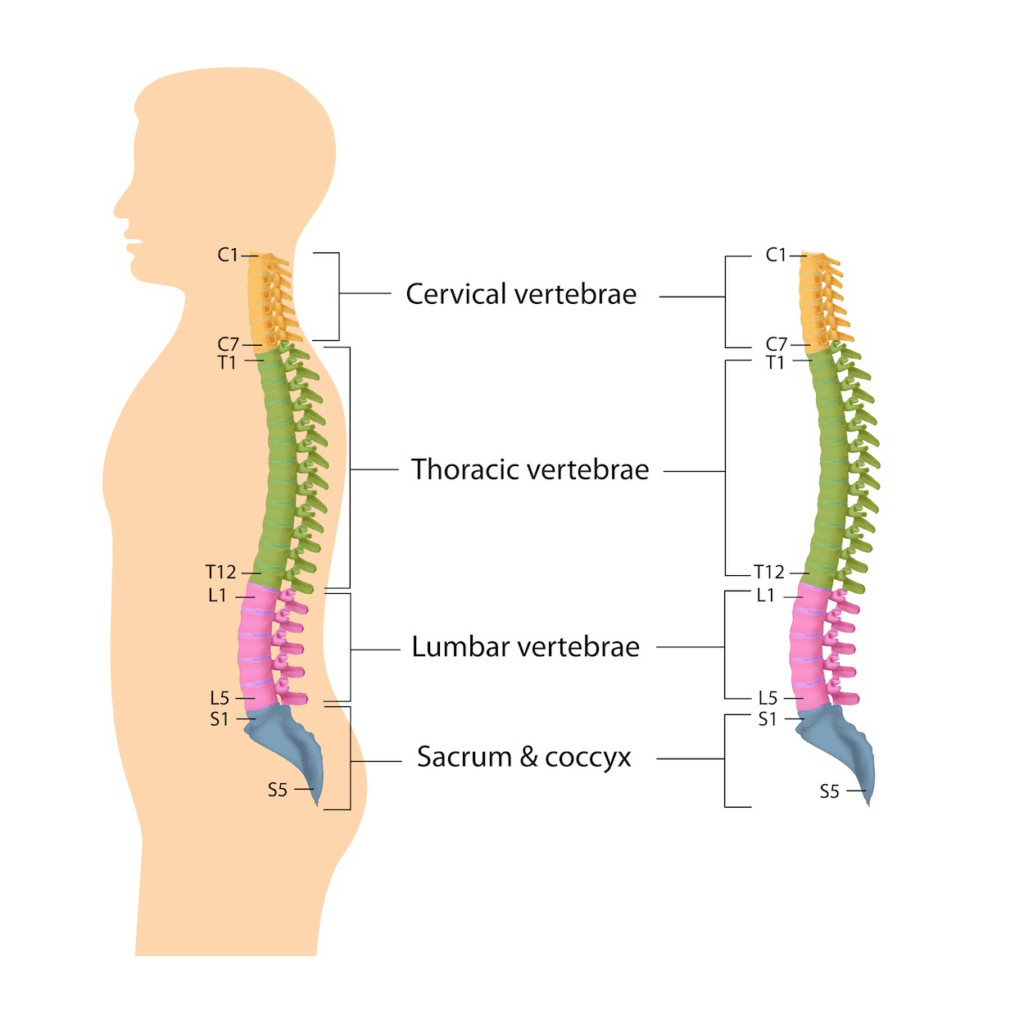
- Cervical backbone (neck): 7 vertebrae that management head place
- Thoracic backbone (higher/mid again): 12 vertebrae that anchor the ribs and assist posture
- Lumbar backbone (low again): 5 vertebrae constructed for stability and load-bearing
A wholesome backbone kinds mild curves that act like springs.
However sitting, slouching, display time, stress, and age-related modifications can exaggerate the thoracic curve whereas shifting the cervical backbone ahead.
The end result?
- Ahead head posture
- Rounded shoulders
- Weak upper-back muscle tissues
- A visual “hump” or fullness on the base of the neck
Why Midlife Girls Are Particularly Liable to Kyphosis
Kyphosis in center age just isn’t about blame — it’s about biology, life-style, and realizing what we’re up in opposition to so we will take motion.
Hormonal Modifications + Bone Density Shifts
After menopause, bone density naturally declines and disc peak can lower. This makes it easier for the upper back to collapse ahead.
A Lifetime of “Ahead Residing”
Take into consideration how a lot of life occurs in entrance of you. The time period “tech neck” has turn into more and more standard and extra individuals are noticing the end result of spending time on:
- Telephones
- Laptops
- Driving
- Cooking
- Caring for teenagers
- Studying
- Even exercises (whats up push-ups and planks!)
Your physique adapts to its most repeated place.
Weak Higher Again + Tight Chest
This basic imbalance in center age ladies presents as:
- Tight chest muscle tissues
- Weak upper-back muscles
- Head drifting ahead
- Shoulders rounding
- Backbone following
Sedentary Time Provides Up
Girls at the moment sit greater than ever. Extended sitting — particularly unsupported — is instantly correlated with development of postural kyphosis.
That’s why I’ve personally added a walking pad to my workday routine. Extra time on my toes, and fewer time bent over my laptop in a chair!
Stress and Respiratory Patterns
Shallow respiration tightens the chest and collapses the backbone ahead. Posture and breath are deeply related.
What Occurs If You Ignore Kyphosis?
To not scare you — however to encourage motion — right here’s what can occur if kyphosis progresses:
- Elevated neck, shoulder, and upper-back ache
- Stiffness and decreased mobility
- Tension headaches
- Restricted thoracic extension (more durable to face tall)
- Lowered lung capability in extreme instances
- Decreased confidence (posture completely impacts temper and self-image)
Vital reminder: Posture can enhance at any age. I’ve seen ladies of their 70s make unimaginable modifications.
The Actual Trigger: Poor Higher-Again Muscle Management
That is the place Pilates taught me a lot.
Posture is not nearly “pulling your shoulders again.” That usually creates rigidity. The true situation is weak or under-used muscle tissues deep between the shoulder blades and alongside the backbone, together with:
- Rhomboids
- Mid and decrease trapezius
- Spinal extensors
- Scapular stabilizers
When these muscle tissues aren’t activated commonly, the entrance physique takes over and pulls you into rounding.
Add a forward-thrusting head (which weighs 8–12 kilos — thanks, Jerry Maguire 😉), and the physique adapts by constructing delicate tissue on the base of the neck for stability.
What Analysis Exhibits: Sure, Kyphosis Can Enhance
In case your kyphosis is postural — which is true for many midlife ladies — enchancment is absolutely possible.
Analysis reveals:
- Strengthening upper-back muscles reduces rounding
- Thoracic mobility improves extension
- Stretching the chest will increase spinal freedom
- Energy + mobility collectively work higher than stretching alone
The Finest Workouts to Enhance Kyphosis (Pilates-Impressed & Midlife-Pleasant)
Energy + mobility + consciousness = your recipe for a taller, more healthy backbone.
Bettering kyphosis isn’t about forcing your self to “rise up straight.” It’s about:
- Restoring mobility within the higher backbone
- Strengthening postural muscle tissues
- Constructing consciousness you carry into every day life
These workouts are mild, efficient, and ideal for midlife ladies. No fancy gear required.
Keep in mind, consistency beats depth. Doing 5–10 minutes every day helps far a couple of intense session per week.
👉 Transfer slowly, breathe deeply, and concentrate on high quality over amount.
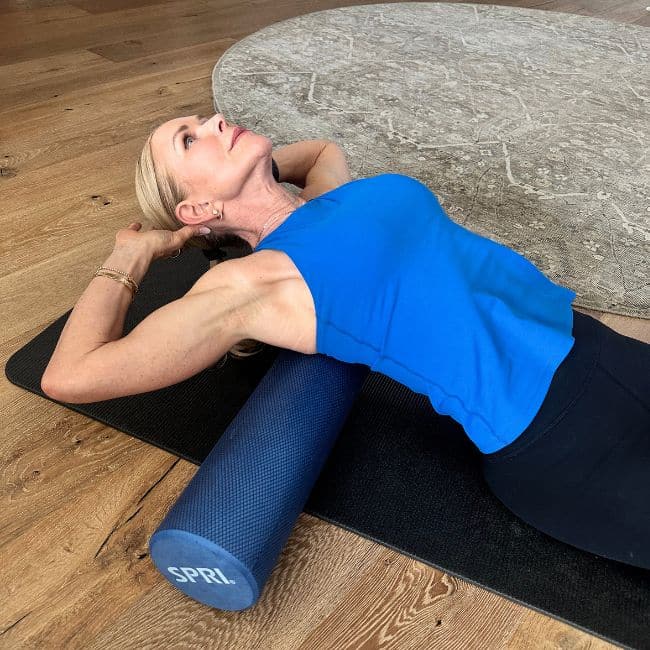
1. Foam Curler Thoracic Extension
Why it helps:
That is one in all my favourite workouts for kyphosis. It helps restore extension within the thoracic spine- an space that usually will get stiff from sitting and slouching.
The right way to do it:
- Place a foam curler horizontally on the ground.
- Lie in your again with the curler below your higher again (mid-back space).
- Assist your head together with your fingers.
- Gently lengthen your higher again over the curler – no crunching, no forcing.
- Pause briefly, then return to impartial.
Reps: 10–15 gradual reps
Teaching cue:
“Suppose size, not how far you bend.”
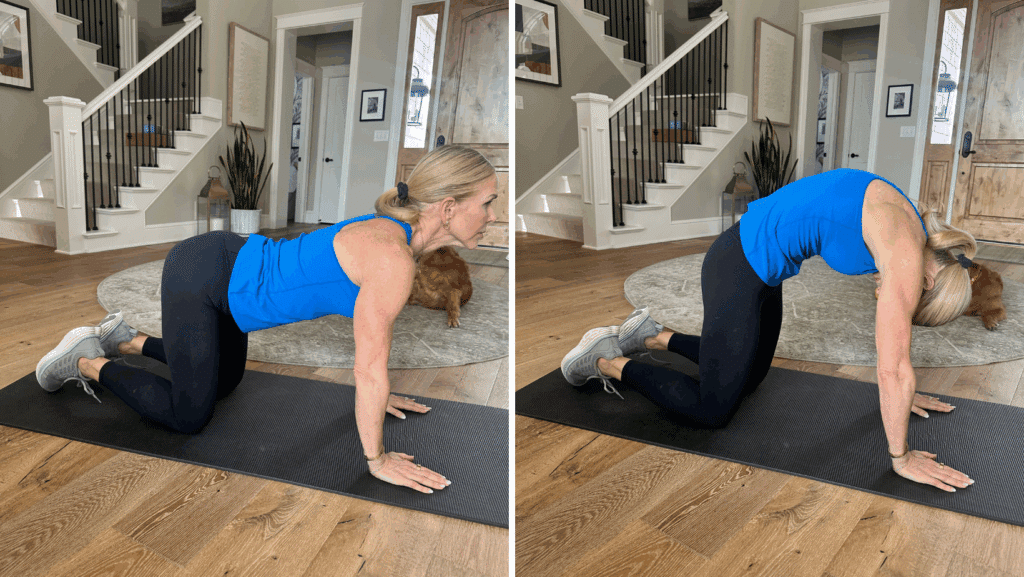
2. Cat–Cow Stretch
Why it helps:
This transfer mobilizes each vertebra in your backbone and helps reconnect your neck, higher again, and core.
The right way to do it:
- Begin on fingers and knees in a tabletop place.
- Inhale as you arch your backbone, carry your chest, and gently look ahead (Cow).
- Exhale as you spherical your again, draw your stomach in, and let your head calm down (Cat).
Reps: 10–15 gradual cycles
Teaching cue:
“Transfer one vertebra at a time -slow and managed.”
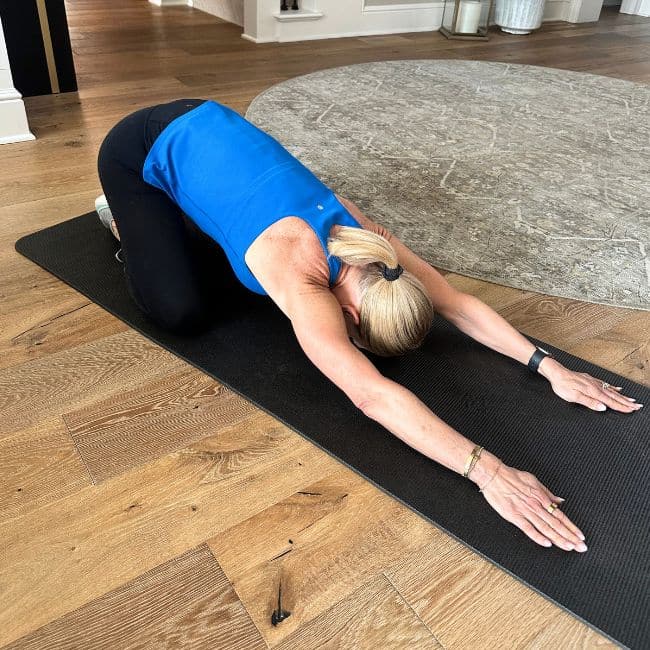
3. Child’s Pose
Why it helps:
A beautiful stretch for the higher again, shoulders, and backbone and an opportunity to breathe deeply.
The right way to do it:
- Begin on fingers and knees.
- Sit your hips again towards your heels.
- Attain your arms ahead and decrease your chest towards the ground.
- Loosen up your neck and breathe.
Maintain: 20–30 seconds
Repeat: 3 instances
Teaching cue:
“Let your breath soften your higher again.”
4. Cobra Stretch (Mild Again Extension)
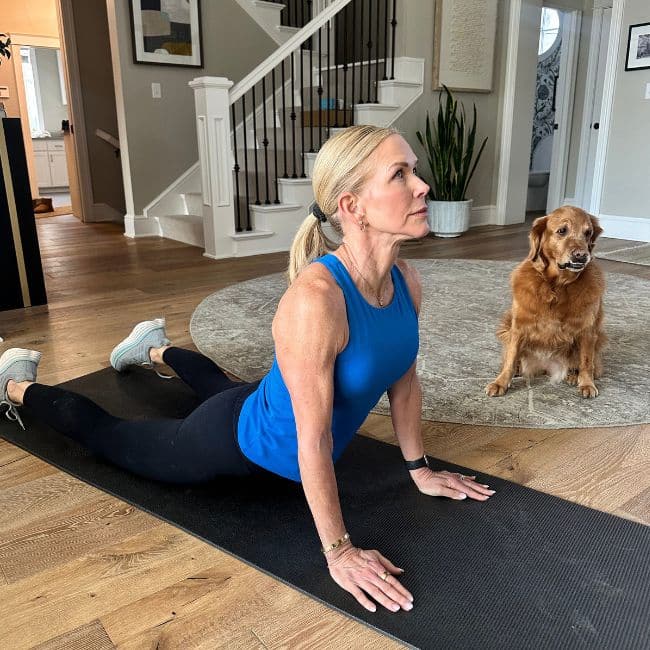
Why it helps:
This opens the chest and encourages spinal extension – key for countering rounded posture.
The right way to do it:
- Lie face down with fingers below your shoulders.
- Press gently into your fingers to carry your chest.
- Preserve elbows barely bent and shoulders relaxed.
- No locking, no forcing.
Maintain: 20–30 seconds
Repeat: 3 instances
Teaching cue:
“Raise your chest ahead and up -not straight again.”
5. Scapular Squeezes
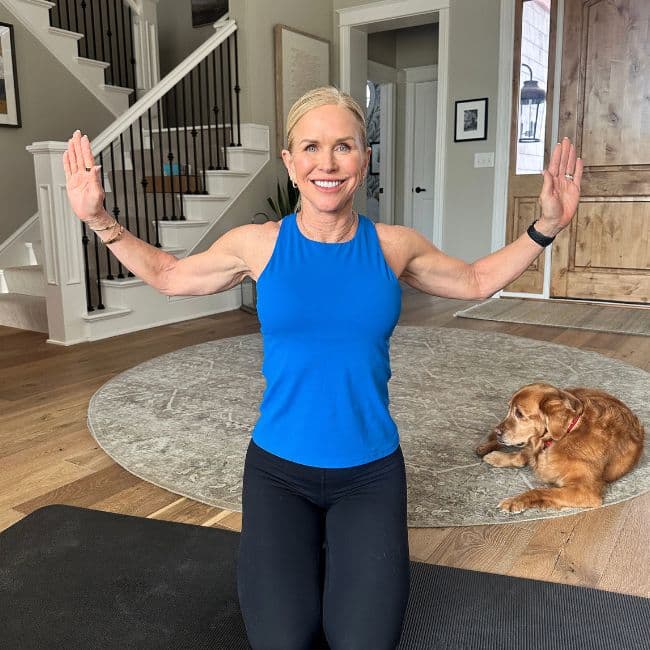
Why it helps:
Strengthens the muscle tissues between your shoulder blades – important for upright posture.
The right way to do it:
- Sit or stand tall with arms in purpose submit place
- Gently squeeze your shoulder blades collectively and barely down.
- Maintain briefly, then calm down.
Reps: 10–15 reps
Teaching cue:
“Think about sliding your shoulder blades into your again pockets.”
6. Susceptible Y, T, and I Raises
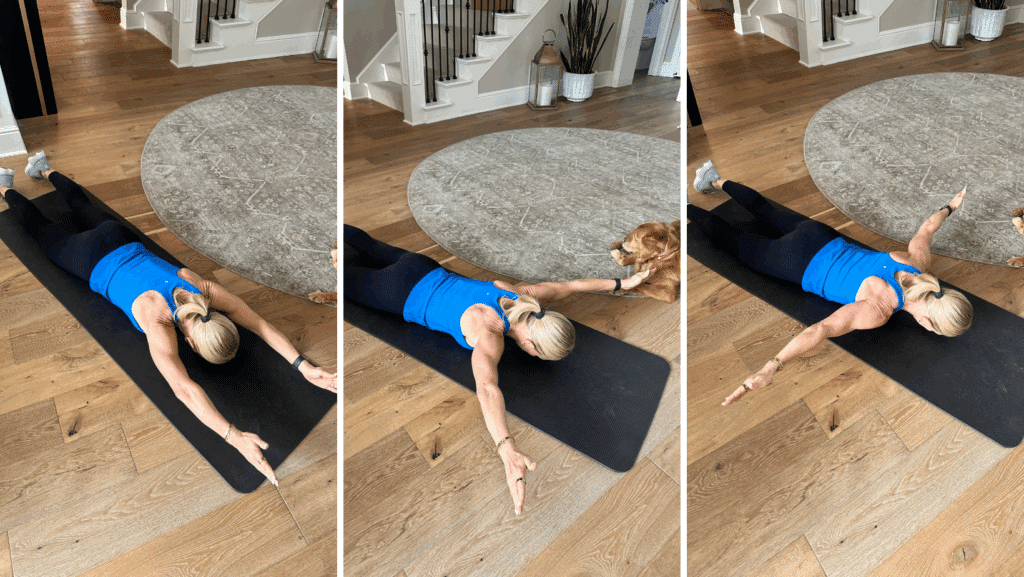
Why it helps:
This sequence strengthens the higher again and improves shoulder stability – two massive posture helpers.
The right way to do it:
- Lie face down on the ground or mat.
- Arms prolonged overhead in a Y form -lift arms barely, squeeze shoulder blades.
- Decrease and repeat with arms in a T form (out to the edges).
- Then repeat with arms in an I form (alongside your sides).
Reps: 10–15 reps per place
Teaching cue:
“Raise out of your higher again, not your neck.”
7. Wall Angels
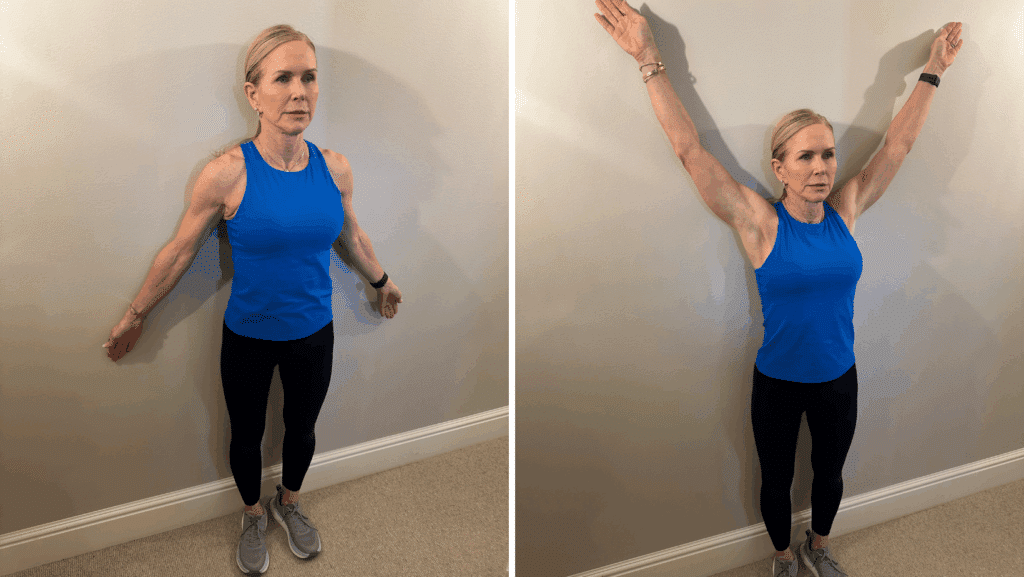
Why it helps:
This teaches your physique what good posture seems like whereas strengthening the higher again.
The right way to do it:
- Stand together with your again in opposition to a wall, toes a couple of inches away.
- Press your head, higher again, and hips gently into the wall.
- Carry arms up and down like you might be drawing the wings of an angel.
Reps: 10–15 reps
Teaching cue:
“Preserve ribs relaxed -no arching your low again.”
8. Aspect-Mendacity Thoracic Rotation (Open E-book)
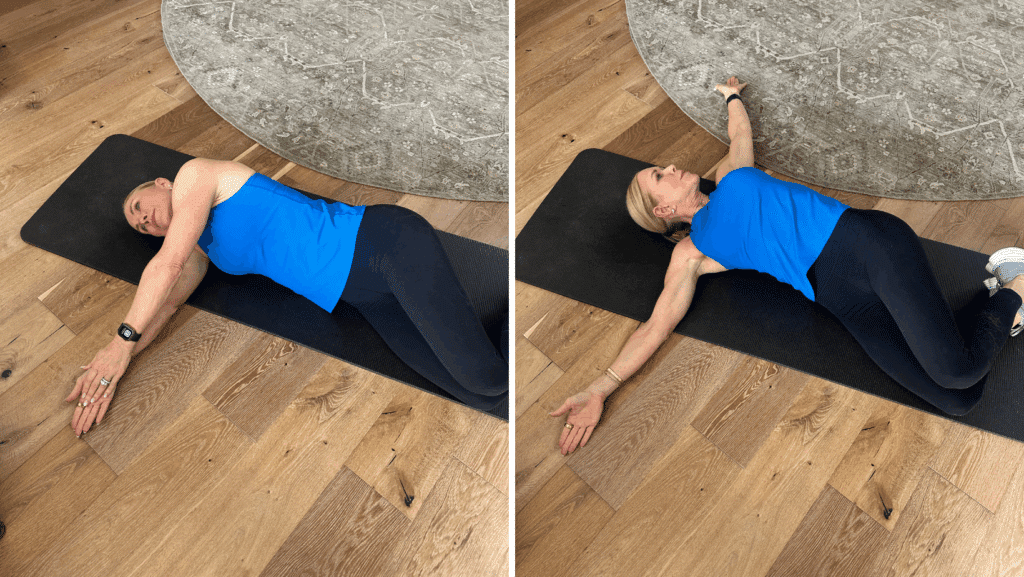
Why it helps:
This restores rotation and mobility within the thoracic backbone usually stiff in ladies with kyphosis.
The right way to do it:
- Lie in your facet with knees bent and arms stacked in entrance of you.
- Slowly open your high arm throughout your physique, rotating your ribcage.
- Preserve knees stacked and hips nonetheless.
- Return slowly.
Reps: 5–8 reps per facet
Teaching cue:
“Let your ribs rotate – not your low again.”
9. Plank (or Knees Down)
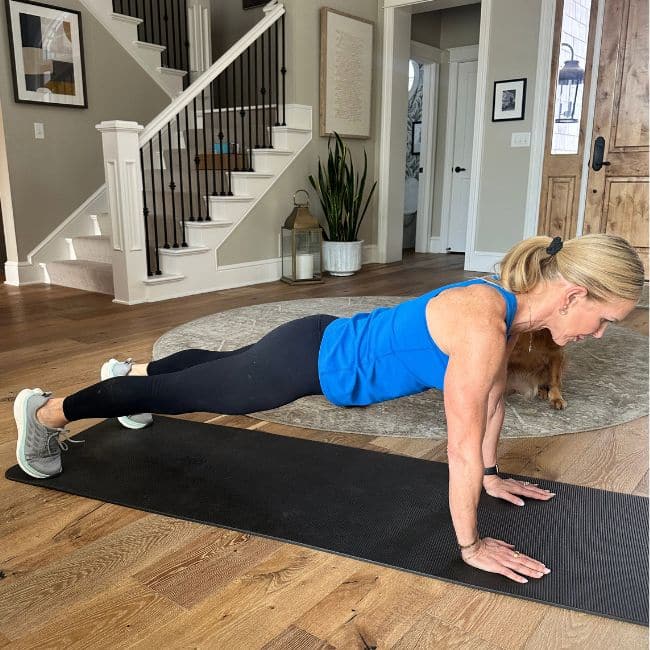
Why it helps:
A robust core helps a tall backbone. Planks assist reinforce alignment from head to heels.
The right way to do it:
- Begin in a push-up place (knees down is ideal).
- Palms below shoulders, neck lengthy, core engaged.
- Maintain whereas respiration.
Maintain: 20–30 seconds
Repeat: 2–3 instances
Teaching cue:
“Lengthy backbone – no sagging, no lifting.”
10. Chin Tucks (Cervical Retraction)
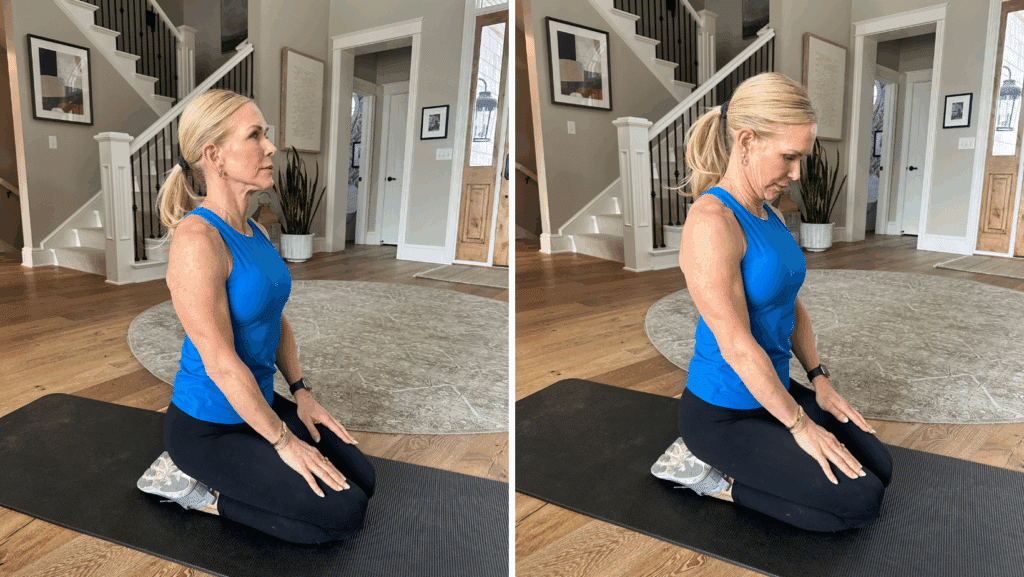
Why it helps:
Helps right ahead head posture and helps the cervical backbone.
The right way to do it:
- Sit or stand tall.
- Gently draw your head straight again (as if making a double chin).
- Maintain briefly, then launch.
Reps: 10–15 reps
What to Keep away from If You Have Kyphosis
- Solely stretching with out strengthening
- Heavy forward-flexion (crunch-heavy routines)
- Slouching for lengthy durations
- Ignoring the neck–higher again connection
When to Search Skilled Steering
If ache is extreme, posture worsens quickly, otherwise you suspect a structural situation (like compression fractures), seek the advice of:
- A bodily therapist
- Your doctor
- A certified Pilates teacher with posture experience
The Backside Line: You Can Enhance This — At Any Age
After teaching ladies for over 35 years, right here’s what I do know for certain:
- Your backbone is adaptable.
- Your posture just isn’t “set.”
- Small, every day habits add up.
You don’t want perfection. You want consciousness, mild strengthening, mobility — and an entire lot of compassion to your wonderful, getting older physique.
Stand tall at the moment, even for a second.
Your physique is listening.
Source link
latest video

latest pick





news via inbox
Nulla turp dis cursus. Integer liberos euismod pretium faucibua



