


What Made Bappi Lahiri Such A Rage
Bappi Lahiri realised disco was a profitable ticket and escalated his recreation with a number of extra dancefloor perennials.
Quickly, each movie producer and music director on the town was down with disco fever.
On what would have been Bappi Lahiri’s 73rd birthday this November 27, Dinesh Raheja rewinds to the late music composer’s hit music days.
{Photograph}: Form courtesy Bappi Lahiri/Instagram
Regardless of a discography encompassing a record-shattering 500-odd movies, Bappi Lahiri is an usually underappreciated music composer.
All too usually, the deal with the late composer centres round his penchant for sporting layers of glittering gold jewelry paired with flamboyant costumes and his signature darkish glasses. Even appellations like ‘Disco King’ or ‘King of Bling’ are well-deserved however reductive, failing to seize the total vary of his musical skills.
What will get ignored is simply how a lot of a drive to reckon with Lahiri grew to become within the Eighties after three musical superhits — Disco Dancer (1982), Namak Halal (1982) and Himmatwala (1983) — all launched inside a span of 10 months!
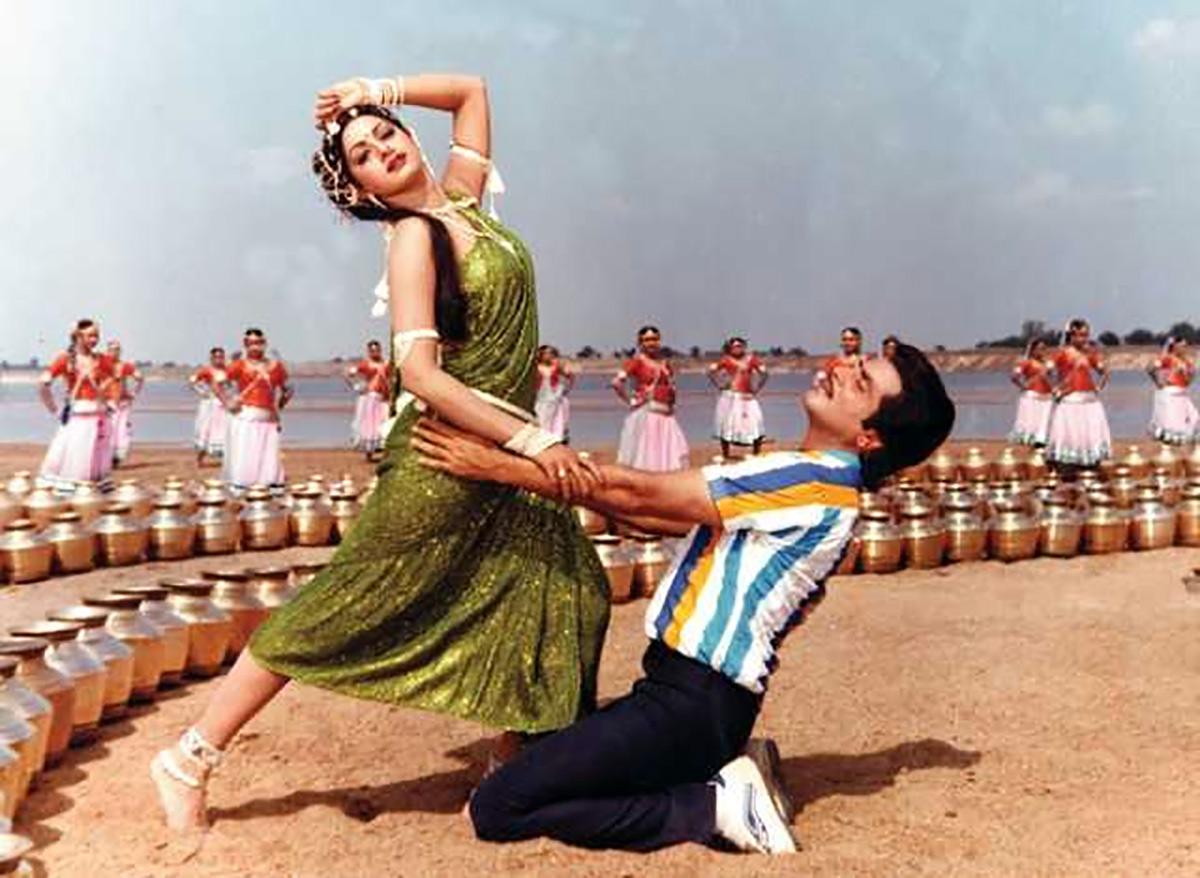
IMAGE: Sridevi and Jeetendra within the Naino Mein Sapna music in Himmatwala.
Bappi’s meteoric rise supplied a startling wake-up name to music composers of that point.
All by means of the Seventies, composers Laxmikant-Pyarelal, R D Burman and Kalyanji-Anandji had comfortably dominated the roost, with Rajesh Roshan sometimes cornering a few of the large banner movies.
Nevertheless, Bappu’s trio of chartbusting soundtracks created a seismic shift within the cultural tectonic plates. It despatched R D Burman, Kalyanji Anandji and Rajesh Roshan scrambling to save lots of their careers; and even LP needed to cede some floor.
Not solely did the music composers must undertake to the disco period and dish up a extra youth-oriented sound however additionally they needed to grapple with the brand new realities of their career, and step up their output.
As a result of apart from for persistently delivering songs that appealed to the lots, Lahiri was additionally recognized for being a prolific powerhouse.
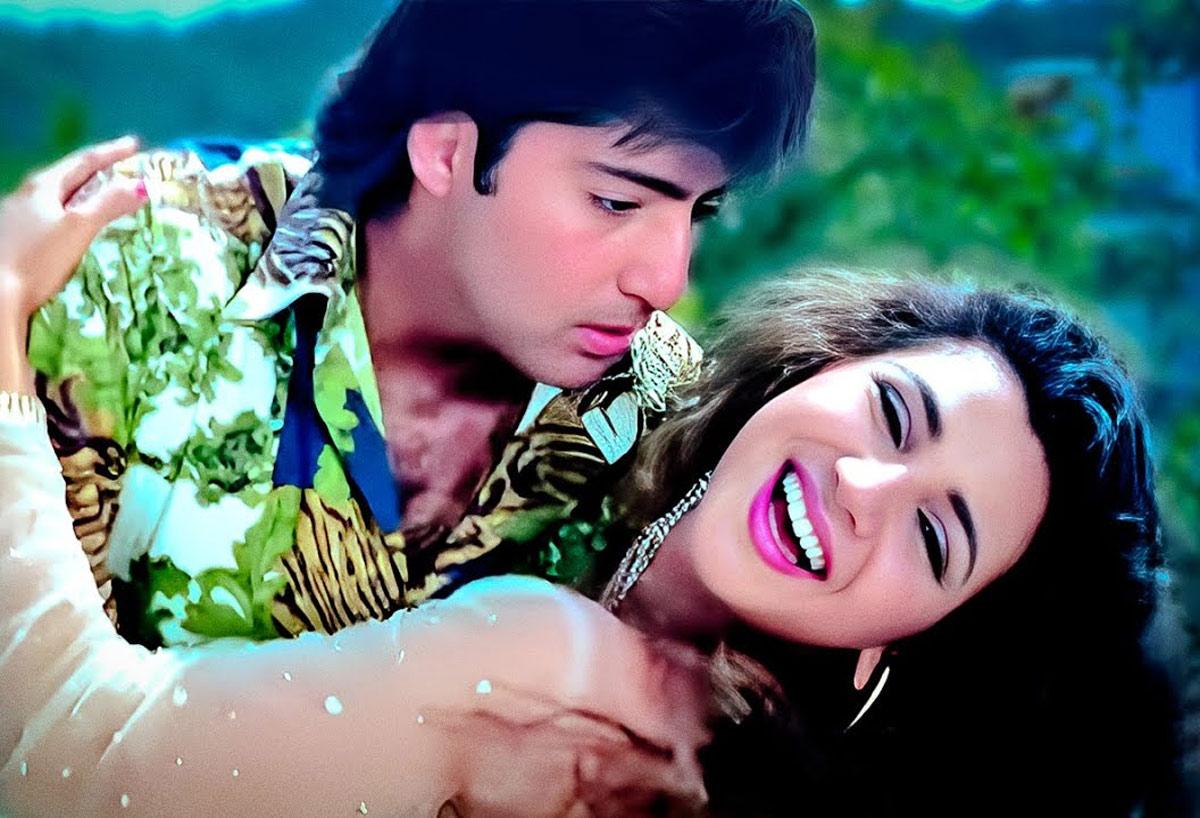
IMAGE: Kamal Sadanah and Ritu Shivpuri in You Are My Rooster Fry music in Rock Dancer.
In 1986, he recorded an unbelievable 180 songs for 33 movies — and this feat has gained Lahiri a spot within the Guinness E book Of World Information.
Ultimately, nonetheless, Lahiri made the error of overvaluing his personal artistic fertility.
After flying excessive for a dozen years on the power of this prolificity, the composer began delivering detached scores.
Suppose You Are My Rooster Fry from Rock Dancer (1994) which has birthed a zillion jokes.
Lahiri’s insecurity-based insistence on overworking himself can most likely be traced to his lengthy wrestle to determine himself as a composer within the music world of the Seventies, which was already crowded with main abilities.
Bappi Lahiri’s Surprisingly Soulful, Melodious Seventies Hits
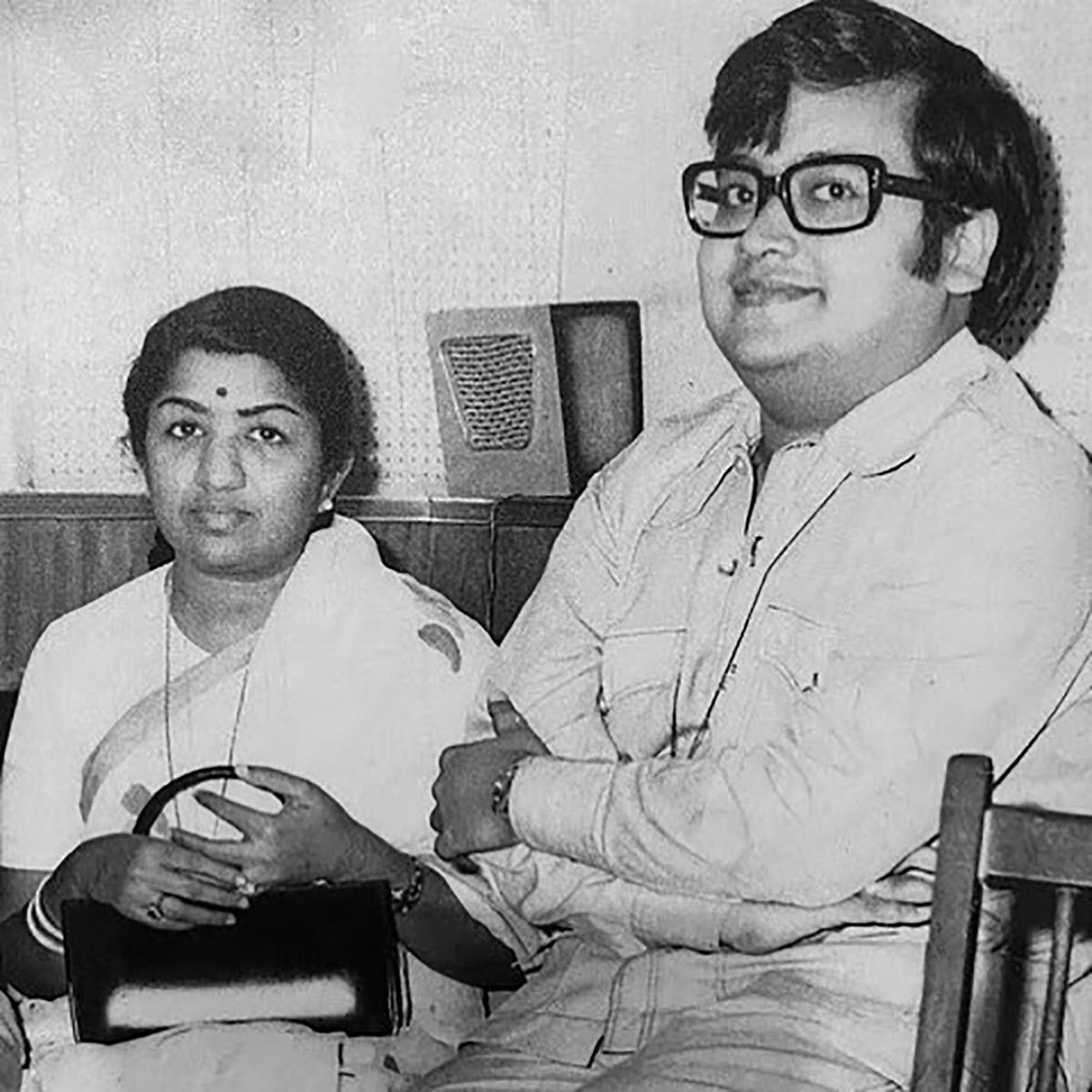
IMAGE: Bappi Lahiri with Lata Mangeshkar. {Photograph}: Form courtesy Bappi Lahiri/Instagram
Born right into a musical household (his mother and father have been each singers), Lahiri was barely out of his teenage years when he began making an attempt his luck within the Hindi movie music trade.
His first movie as a composer was Nanha Shikari in 1973 however he hit his stride with Zakhmee (1975) and Chalte Chalte (1976).
There are an astonishing variety of collaborations with Lata Mangeshkar throughout Lahiri’s struggling days within the Seventies.
Outstanding, as a result of throughout his peak, he reserved Lata Mangeshkar just for particular events and songs, whereas the majority of his output was shouldered by Asha Bhosle and Kishore Kumar.
Zakhmee showcased Lata crooning the tuneful Aao Tumhein Chand Pe Le Jaaye (which is having fun with a second lease of life courtesy tv singing actuality reveals) and Abhi Abhi Thi Dushmani whereas Chalte Chalte had her singing Pyaar Mein Kabhi Kabhi Aisa and Door Door Tum Rahein.
Even when in small-budgeted movies, for the following few years, the Lata-Lahiri mixture yielded tender, mellow but radio-friendly numbers like Phir Janam Lenge Hum (the title music), Aangan Ki Kali (Tumhein Kaise Kahoon Major Dil Ki Baat) and Iqrar (Tum Saamne Baithe Raho).
A big proportion of Lahiri’s finest artistic work was accomplished whereas he was nonetheless inching up the ladder of success within the Seventies.
He crafted surprisingly soulful melodies and painstakingly labored on the orchestration to create a number of gems, many with Kishore Kumar — Nanha Sa Pancchi Re Tu Bahut Bada Pinjra Tera (Toote Khilone), Pyaar Maanga Hai Tumhi Se (School Woman), Kitne Raanjhe Tujhe Dekhke Bairagi Ban Gaye (Ahsas) and Hothon Pe Jaan Chali Aayegi (Patita).
The Disco King Of Bollywood
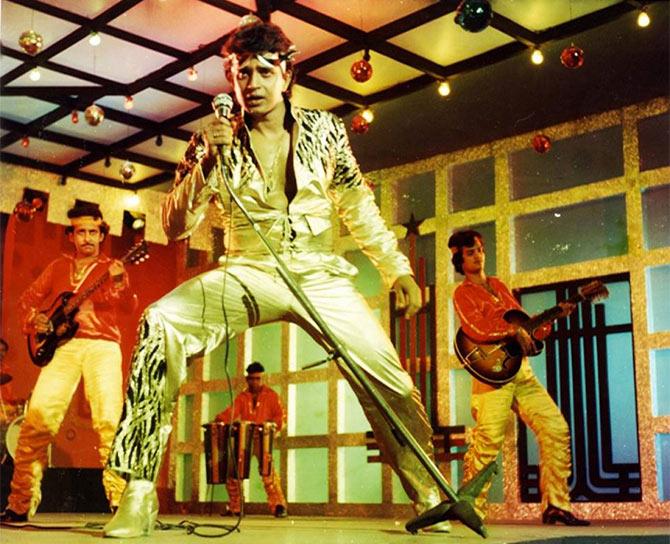
IMAGE: Mithun Chakraborty within the Jimmy Jimmy music from Disco Dancer.
The primary Lahiri movie to hit the box-office bullseye was the Mithun Chakraborty thriller Suraksha (1979).
He lent his personal voice to songs like Mausam Hai Gaane Ka (Gunmaster G9) and Tum Jo Bhi Ho Dil Aaj Do which, with their thumping disco beats, heralded a brand new period for Hindi movie music.
Lahiri realised disco was a profitable ticket and escalated his recreation with a number of extra dancefloor perennials like Hari Om Hari (Pyaara Dushman, 1980), Ramba Ho Ho (Armaan, 1981), Disco Station (Hathkadi, 1981) and Jawani Jaaneman (Namak Halal, 1982).
Quickly, each movie producer and music director on the town was down with disco fever.
The zenith was reached with Disco Dancer.
Lahiri conjured up sings like I Am A Disco Dancer, Jimmy Jimmy and Koi Yahan Aha Nache Nache that took the nation by storm.
Edging Out The Competitors
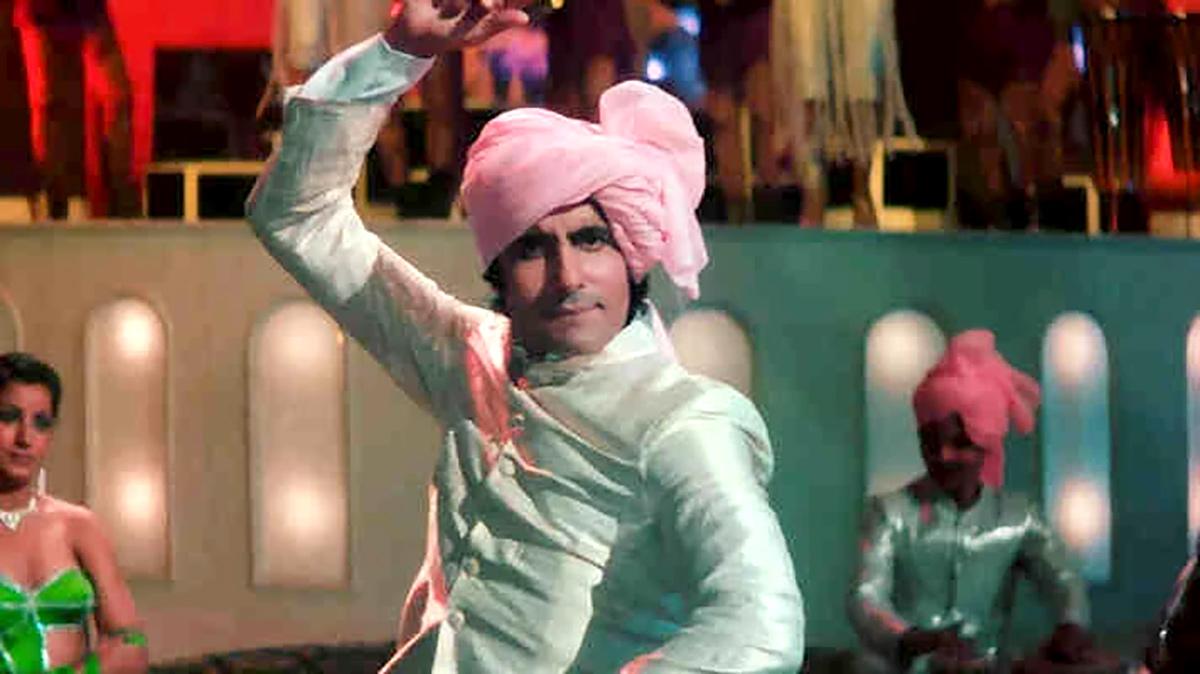
IMAGE: Amitabh Bachchan within the Pug Ghungroo Baandh music in Namak Halal.
Lahiri entered the large league with the Amitabh Bachchan blockbuster Namak Halal (1982). Every of its 5 songs have been vastly fashionable particularly Pug Ghungroo Baandh and Aaj Rapat Jaaye Toh.
After the Himmatwala (1983) chartbuster Nainon Mein Sapna, Lahiri grew to become maybe most recognized with Jeetendra starrers, usually produced by Padmalaya. Extra successes adopted shortly with Justice Chowdhury, Mawaali, Tohfa and so forth.
Lahiri has composed music for 34 movies starring Jeetendra and quite a few others with Mithun.
This success streak modified the profession trajectories of different music administrators.
R D Burman fought again with elevated creativity (19 releases in 1984!) however the field workplace appeared to have simply stopped favouring him and his profession declined sharply.
Kalyanji-Anandji witnessed loyalists like Prakash Mehra switching over to Lahiri with Namak Halal and Sharabi and minimize down their assignments earlier than handing over the baton.
Rajesh Roshan too noticed an extended, lean part until he made a comeback along with his brother Rakesh’s movies.
Lahiri’s Eighties output is chock-full of massy numbers corresponding to Ek Aankh Maroo Toh or Ice Cream Khaogi.
To his credit score, he did make time for the occasional imaginatively composed quantity too: Log Kehte Hain Major Sharabi Hoon (Sharabi) or Kisi Nazar Ko Tera Intezar Aaj Bhi Hai (Aitbaar).
Echoing his Seventies stunner Maana Ho Tum Behad Haseen, he enlisted singer Yesudas once more for Haisiyat‘s serene Dheere Dheere Subah Hui.
Going Business With A Vengeance
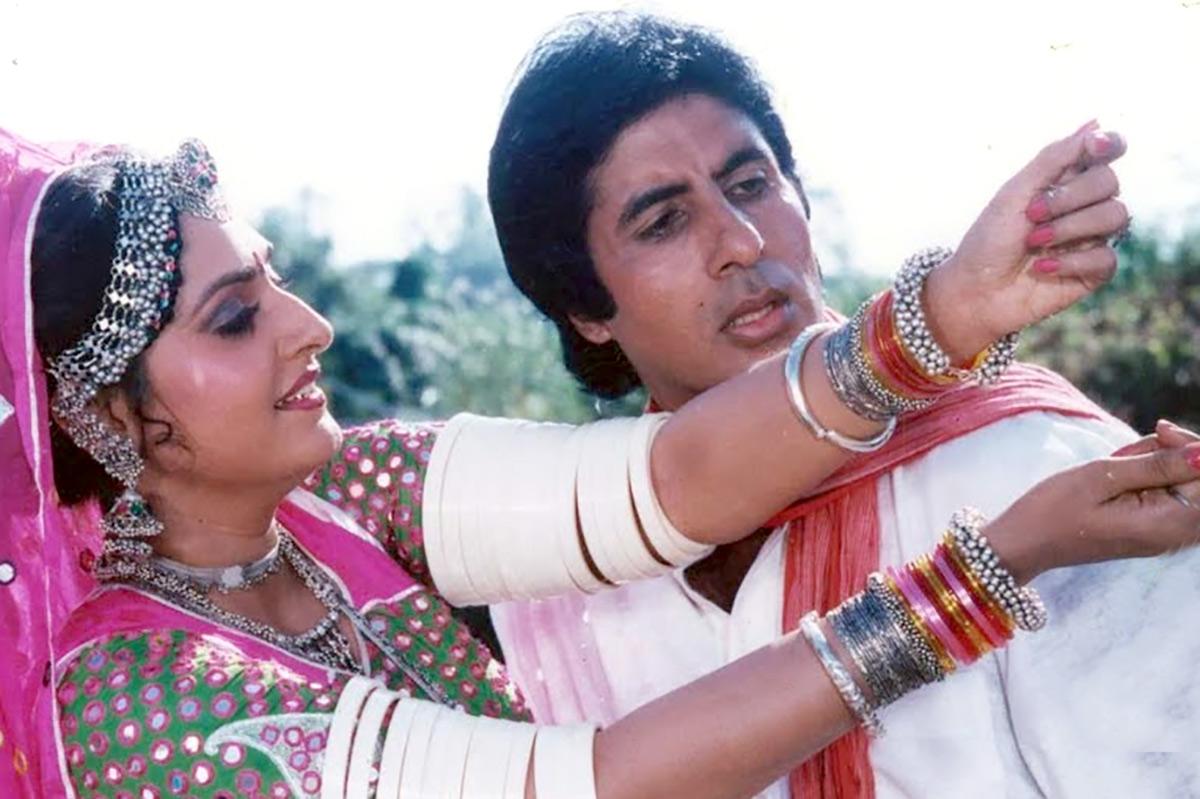
IMAGE: Jaya Prada and Amitabh Bachchan within the Gori Hai Kalaiyaan music in Aaj Ka Arjun.
The Nineties started for Lahiri on a excessive notice with Aaj Ka Arjun (Gori Hai Kalaiyaan) and Ghayal (Sochna Kya).
He quickly scored one other blockbuster with Aankhen (1993).
Lahiri had helped make Govinda a star in his debut movie Ilzaam (1986) with I Am A Avenue Dancer and now aided him in scaling new heights with the whistle-fetching O Lal Dupattewali.
Lahiri was busy pursuing success and ably accommodated risque numbers like Aankhen‘s Angna Mein Baba and Dalaal‘s Gutur Gutur in his soundtracks.
However by the late Nineties, he was unable to fend off the invasion of a phalanx of recent composers like A R Rahman, Nadeem Shravan and Anu Malik.
Bappi: The Superstar

IMAGE: Vidya Balan within the Ooh La La music in Soiled Image.
Although he continued to compose music until the top, Lahiri additionally started exploring different avenues.
He appeared as a genial choose on a number of tv actuality reveals.
For Soiled Image (2011), Vishal-Shekhar acquired him to sing the hit quantity Ooh La La.
A dance video of Lahiri’s Jyoti (1981) quantity Thoda Resham Lagta Hai with its unrelenting catchy backbeat unleashed the remix development circa 2002.
Until just lately, a spate of Hindi movies have integrated recreations of Lahiri’s earlier hits like Tamma Tamma and Bhankas.
Happily for Lahiri, he had sufficient laurels to relaxation on.
Pictures curated by Satish Bodas/Rediff
Source link

latest video
latest pick






news via inbox
Nulla turp dis cursus. Integer liberos euismod pretium faucibua



