Girls’s Day: Misogyny Versus Microfeminism in Bollywood Films Like Sholay, Laapataa Girls and Extra
This viral pattern, that’s slowly gaining momentum on-line, is a set off of microaggressions and sexism that ladies face each day. As an illustration, being ignored in skilled setups, being mansplained, assuming a police officer or the CEO is a person, watching the waiter current the invoice to the person on the restaurant, bifurcation of drinks, garments and feelings as girly and manly, referring to God as “He”, frowning upon a person who attire up in pink and a bunch of others. In quiet riot towards the likes of those notions’ girls maintain their floor and make use of delicate objection of their on a regular basis lives. And this apply is called microfeminism.
Microfeminist acts, in such circumstances would contain, clapping again at this inherited misogynistic mindset like intentionally utilizing feminine pronouns when speaking about hierarchical positions like law enforcement officials, legal professionals or entrepreneurs and complementing a person for sporting no matter color he pleases and no matter emotion he exhibits with out associating gendered connotations. You’ll discover a number of reels on-line with supers that learn “Inform me your favorite acts of microfeminism”. And the feedback would comply with saying:
“I assume, when speaking to a person about sports activities, that he’s speaking about girls’s sports activities and make him make clear”
“When a person says he’s babysitting his kids I make sure that to right it to parenting”.
Secure to say, slowly however steadily this motion is brewing on social media as a nuanced expression of feminism.
The present pattern in Bollywood depends closely on hyper masculine or Poisonous (pun meant) masculine narratives. Male protagonists with scathing egos, are in a battle to show who’s the “massive daddy” and who’s extra alpha. Amidst this phallocentric cinema, there exist films and characters who embody microfeminism at its greatest.
In Sholay (1975), Basanti performed by the evergreen Hema Malini is without doubt one of the most becoming characters on this essence. Lengthy earlier than the “robust impartial lady” was a viral trope, Basanti was already dwelling it. She drove her Tonga, a task carried principally by males, by means of the streets of Ramgarh, detached to the societal norms. She took the highway not taken, actually and figuratively. In one of many movie’s key scenes once we meet Basanti, she addresses taunts that she usually receives from the villagers. “Log kehte hain Basanti, ladki hokar tanga chalati ho?” She responds, “Dhanno ghodi hokar tanga kheench sakti hai toh Basanti ladki hokar kyon nahi chala sakti?” It’s delicate but loud sufficient to make you notice that Basanti is not only a vivacious village belle. She represents feminine company and mobility with understated impression.
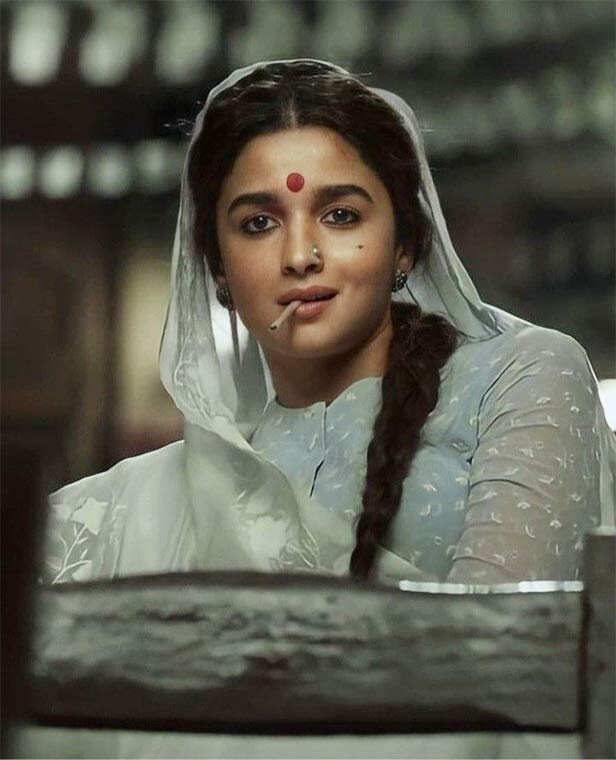
One other sharp jab on the patriarchy thoughts is available in Gangubai Kathiawadi (2022). Gangu (Alia Bhatt) claims her id proudly as a prostitute when she goes to fulfill the principal to hunt admission for her daughters. Mom’s identify, Gangubai Kathaiwadi, she asks him to jot down on the admission type. The principal asks for father’s identify, with chilly deliberation. “Aur Baap ka naam kya likhe?” He questions. “Maa ka naam kaafi nahi hain na?” Gangu fires again. Would this query be raised if the lady was divorced or widowed? Maybe not.
This example mirrors many inherited gendered practices the society follows to marginalize girls of decrease class. Microfeminism tries to defy such an inherited patriarchal mindset with small rebellions. Gangu does not get mad or scream on the principal for throwing an obnoxious query at her. As a substitute, she merely sits again and cheekily solutions saying Dev Anand is the daddy’s identify, subjugating the snobbish principal with ease. That is what microfeminism basically advocates. To carry your stance with such a wit and ease that makes the misogynist crumble with frustration.
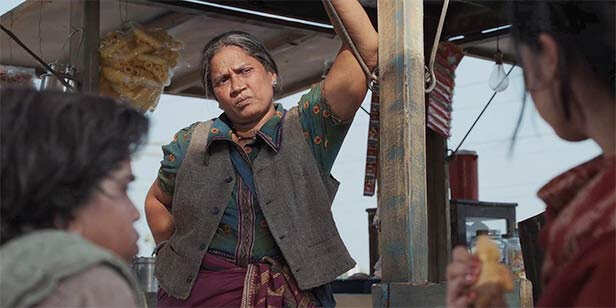
Manju Maai (Chhaya Kadam) from Laapataa Girls (2023) additionally takes up the gauntlet of cleaning this inherited social conditioning. Manju, who runs a snacks stall on the railway station, exposes the tenets of the “fraud scheme” rigorously that pedestalizes the person’s world. “Dekhne jaye toh auratoon ko mardoon ki kouno khaas jarurat waise hai nahi, par ee baat agar aurtoon ko pata chal gayi, toh marad bichara kya baajana bajayega?” (If you consider it, girls do not actually need males in any respect. But when all girls figured this out, males can be screwed, would not they?” Manju Maai tells Phool (Nitanshi Goel). Microfeminism goals at dismantling biases precisely like this. Not simply by screaming and struggling, however in on a regular basis conversations and practices that can hopefully instigate a change sooner or later.
Past these on a regular basis acts, Hindi cinema has additionally showcased characters embodying feminism at its most interesting. From Deepika Padukone in Piku to Taapsee Pannu in Pink, Kangana Ranaut in Queen, Vidya Balan in Kahaani, Sridevi in English Vinglish, and even male allies like Aamir Khan in Dangal, Shah Rukh Khan in Chak De! India, and Amitabh Bachchan in Pink, have dropped at gentle the resilient and brave tales of ladies.
All these narratives intention at difficult the ingrained prejudices for girls to really feel seen, heard and valued. Whereas an unwritten societal guide nonetheless dictates the roles of ladies as caregivers and males as suppliers, it is vitally necessary to erase and rewrite these guidelines. And microfeminism, in at the moment’s time, is one necessary step in doing the identical.
Source link

latest video
latest pick



news via inbox
Nulla turp dis cursus. Integer liberos euismod pretium faucibua