


‘Villains Are The Most Attention-grabbing To Design For’
‘Each movie had its challenges, however Mr India, Sadak and Gandhi have been the hardest.’
‘Mr India wanted creativeness, Sadak wanted sensitivity and Gandhi demanded historic authenticity.’
{Photograph}: Sort courtesy Penguin India/Instagram
Earlier than designers made their foray into Bollywood, movie outfits could be tailor-made.
Madhav Agasti has designed outfit for over 400 motion pictures within the final 50 years, together with a number of iconic appears to be like like Mogambo and Shahenshah.
He has additionally created outfits for Presidents and prime ministers.
In his memoir, Stitching Stardom For Icons, On And Offscreen, Mr. Agasti appears to be like again at his profession, and discusses tailoring for the greats.
“My journey is from a small city in Maharashtra to dressing up movie legends, prime ministers, and Presidents. I’ve lived a life stitched along with exhausting work, religion, and gratitude,” M. Agasti tells Patcy N/Rediff.
“I’ve by no means referred to as myself a designer as a result of I’ll all the time stay a tailor — one who tried to carry dignity to his craft and insistence on the proper match.”

{Photograph}: Sort courtesy Penguin India/Instagram
You had a great bond with Amrish Puri and designed his costumes for Mr India‘s Mogambo and his Indiana Jones audition.
Amrishji was like an elder brother to me. He was strict on the skin, however with an enormous coronary heart.
I made a lot of his costumes, however Mogambo grew to become iconic.
We mentioned that look so many occasions.
He wished one thing grand, however not cartoonish. The golden uniform, the collar, the detailing — we constructed it, piece by piece.
When he was auditioning for Indiana Jones And The Temple of Doom, I made his costumes for a glance take a look at taken by Steven Spielberg.
He referred to as me later and stated, ‘Madhav, they cherished it!’
That pleasure in his voice was priceless!
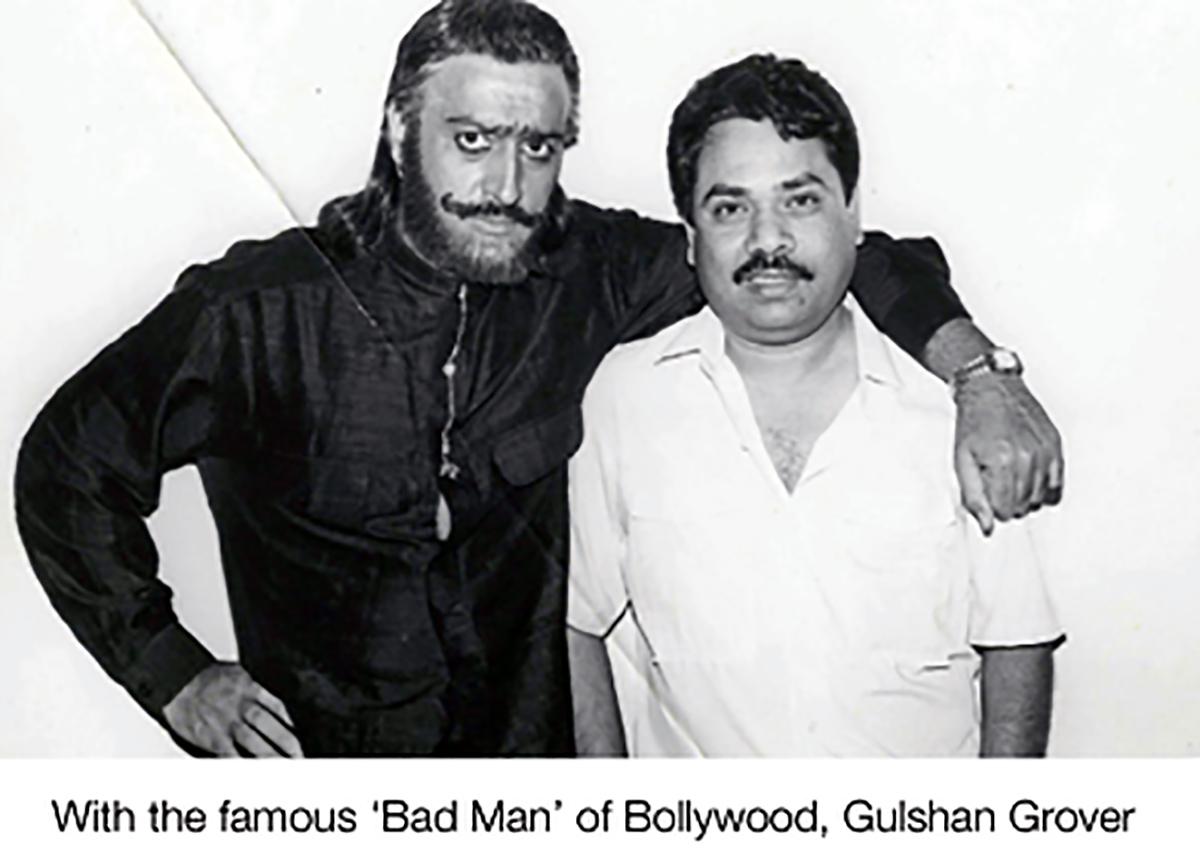
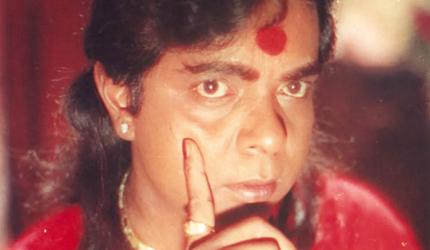
You’ve designed for different display screen villains too like Gulshan Grover’s Unhealthy Man (Ram Lakhan) and Sadashiv Amrapurkar’s Maharani (Sadak).
Villains are probably the most attention-grabbing to design for!
You get to play with persona, texture, and creativeness.
For Unhealthy Man, we wished Gulshan Grover to look harmful but fashionable — sharp strains, daring colors, swag.
For Maharani, it was a problem.
The character was complicated — half female, half menacing. We used wealthy materials however aged them, added refined distressing. Small particulars made the character unforgettable.
Amjad Khan was a real pal. I as soon as insisted on visiting a village referred to as Dongaon in Maharashtra for a political occasion.
The entire village gathered to see ‘Gabbar Singh’! He met everybody with heat, sat beneath a tree, had chai, and informed me, ‘Now I do know the place your humility comes from.’ I will always remember that.
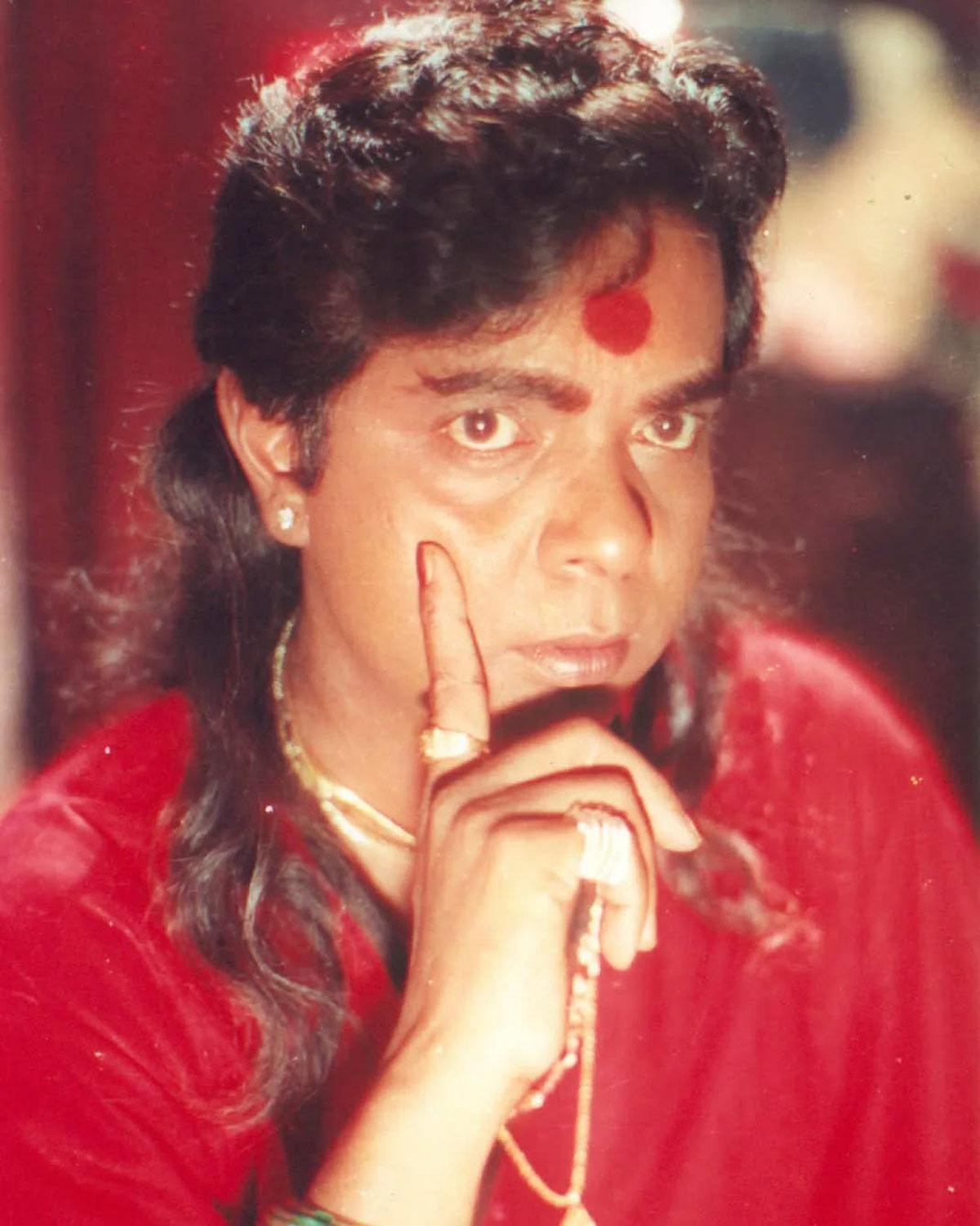
IMAGE: Sadashiv Amrapurkar as Maharani in Sadak.
You designed Amitabh Bachchan’s look in Shahenshah.
Shahenshah confronted delays because of the political state of affairs.
Balasaheb Thackeray performed a pivotal function in getting the movie launched.
After I lastly noticed Amitabh Bachchan on display screen in that iconic outfit, it made the wait worthwhile.
Why did you quit designing for movies?
Amrish Puri’s demise was a private loss for me.
We had shared so a few years, so many tales, so many fittings.
After he handed away, I misplaced curiosity in designing for movies. It did not really feel the identical anymore.
I realised I had performed all the things I wished to do in cinema. It was time to give attention to private purchasers, on tailoring, on creating timeless items reasonably than chasing movies.
However even immediately, every time I see Mogambo on display screen, I really feel emotional.
It brings again all the things — the laughter, the arguments and the friendship.
{Photograph}: Sort courtesy Penguin India/Instagram
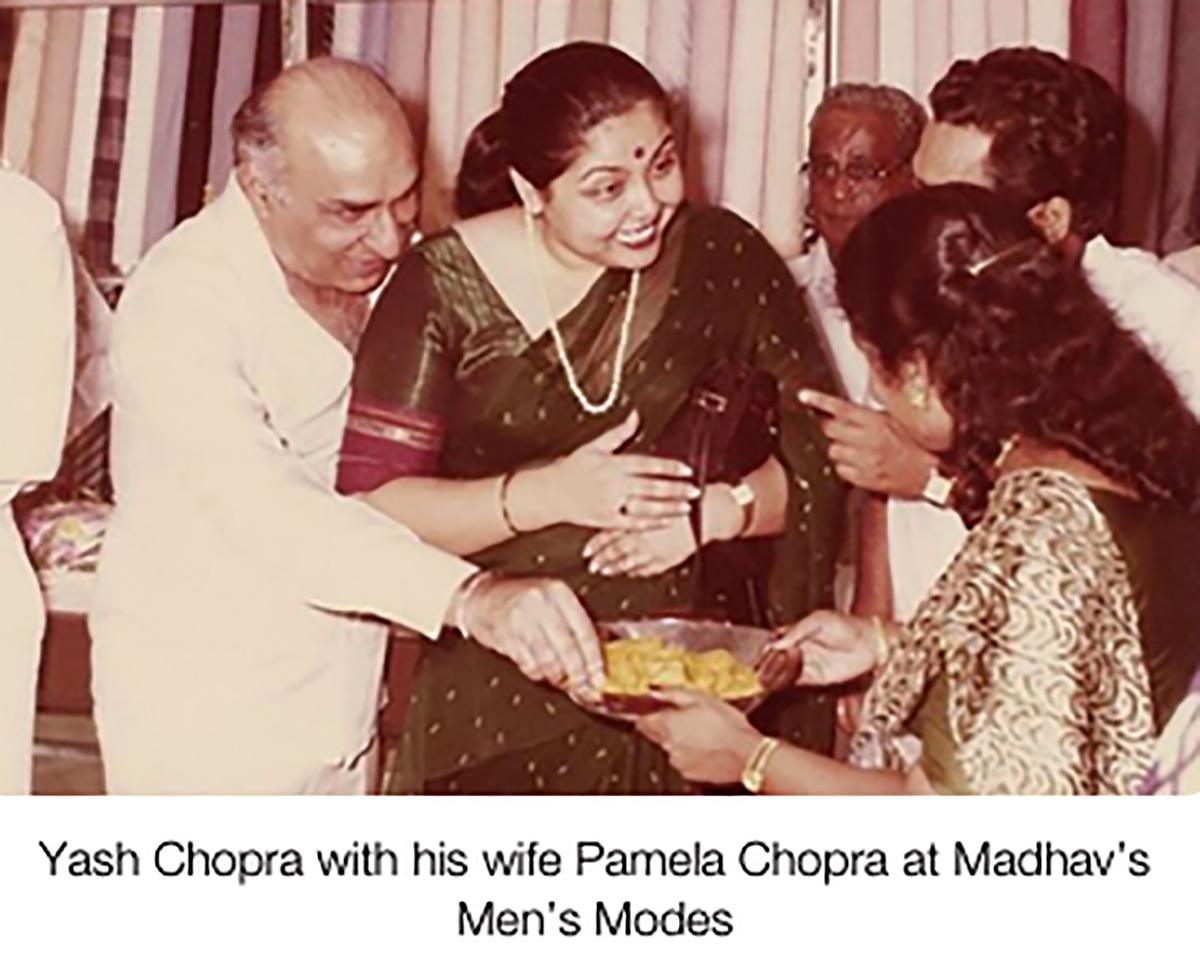
Yash Chopra helped you discover a footing within the movie business.
Sure, Yashji performed a really massive function in my journey.
I had performed some work for certainly one of his assistant administrators, and Yashji occurred to note the match of a jacket I had made.
He gave me an opportunity to work on costumes for many of his movies.
He favored my self-discipline — I used to be all the time on time, by no means argued, and delivered precisely as he wished.
Inform us about your working relationship with actors like Sanjeev Kumar, Girish Karnad and Amol Palekar.
Sanjeev Kumar was not only a high-quality actor, he was a beautiful human being. Quite simple, very honest. I designed a lot of his costumes.
When he handed away, it felt like dropping an expensive pal.
The day of his funeral was on the identical day because the inauguration of my second store. I could not carry myself to rejoice, so I postponed it.
Girish Karnad and Amol Palekar have been sensible minds — they introduced theatre self-discipline into cinema. Working with them was like attending a masterclass in storytelling.
{Photograph}: Sort courtesy Penguin India/Instagram
Rakesh Bedi, Johnny Lever and Paresh Rawal have spoken very extremely of you.
Rakesh Bedi has been a shopper and pal for many years.
Johnny Lever is stuffed with vitality. He would all the time come for outfit trials with an enormous smile and make everybody giggle within the store.
Paresh Rawal is a perfectionist. He is aware of precisely what he desires and appreciates craftsmanship.
They’ve all achieved a lot, and but remained humble.
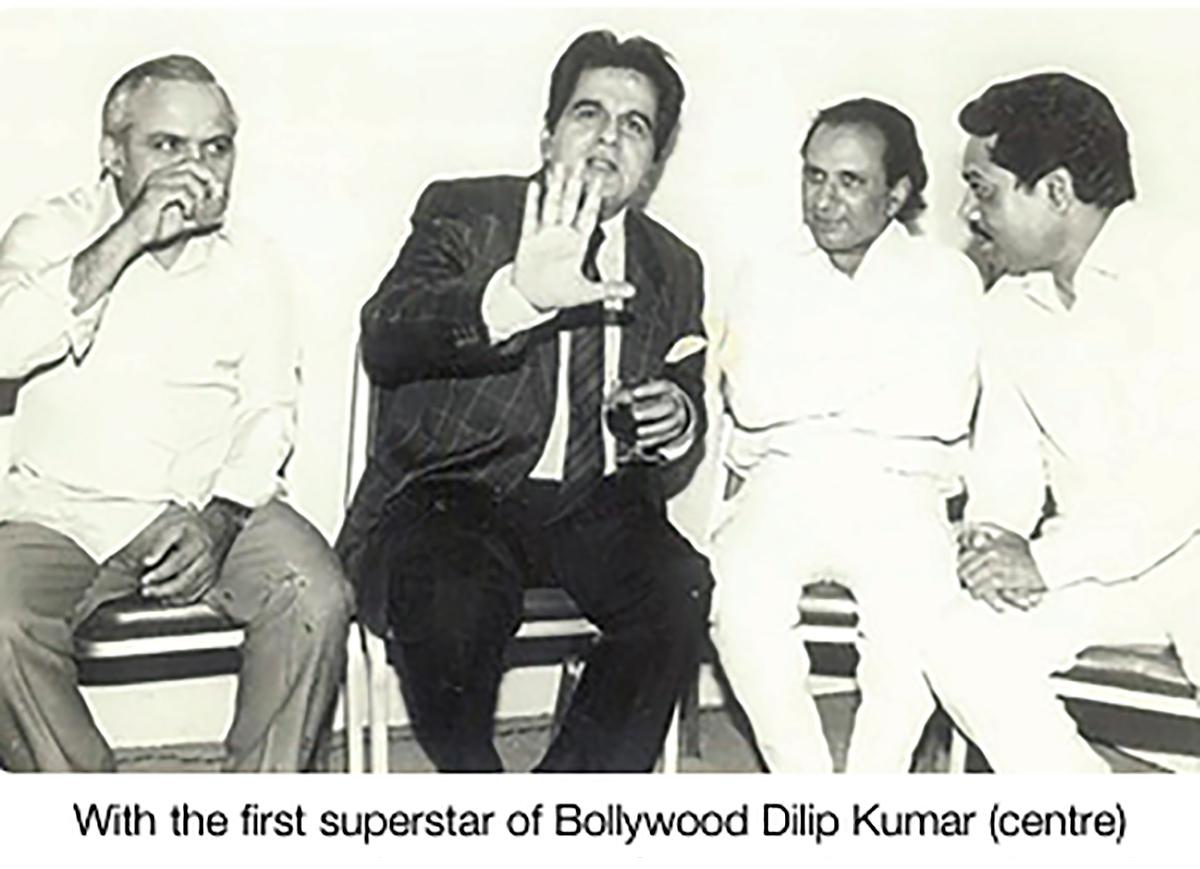
You labored with the Kapoors too, in addition to Dev Anand, Dilip Kumar and Pran.
The Kapoors have been like royalty — stuffed with grace and heat.
Dev Anand was pure class, very explicit in regards to the particulars.
Dilip Kumarsaab carried quiet dignity. Dressing him up felt like dressing Indian cinema itself.
Pransaab wore each outfit with delight and precision.
{Photograph}: Sort courtesy Penguin India/Instagram
You’ve labored on over 400 movies. Which was the hardest?
Each movie had its challenges, however Mr India, Sadak and Gandhi have been the hardest.
Mr India wanted creativeness, Sadak wanted sensitivity and Gandhi demanded historic authenticity.
You didn’t take credit score for Gandhi.
Sure. I labored on a few of the Indian costumes. I did not take credit score as a result of at the moment, I wanted the cash.
After I noticed the movie later and recognised my work, that quiet satisfaction was sufficient.
You as soon as visited your hometown Mehkar in Maharashtra with Rajesh Khanna.
Rajesh Khannaji was bigger than life. The individuals in Mehkar could not consider it! He met everybody like an previous pal.
Later he informed me, ‘Now I see the place your roots are.’ That line meant all the things to me.
That is my journey — from a small city in Maharashtra to dressing up movie legends, prime ministers, and Presidents.
I’ve lived a life stitched along with exhausting work, religion, and gratitude.
I’ve by no means referred to as myself a designer as a result of I’ll all the time stay a tailor — one who tried to carry dignity to his craft and insistence on the proper match.
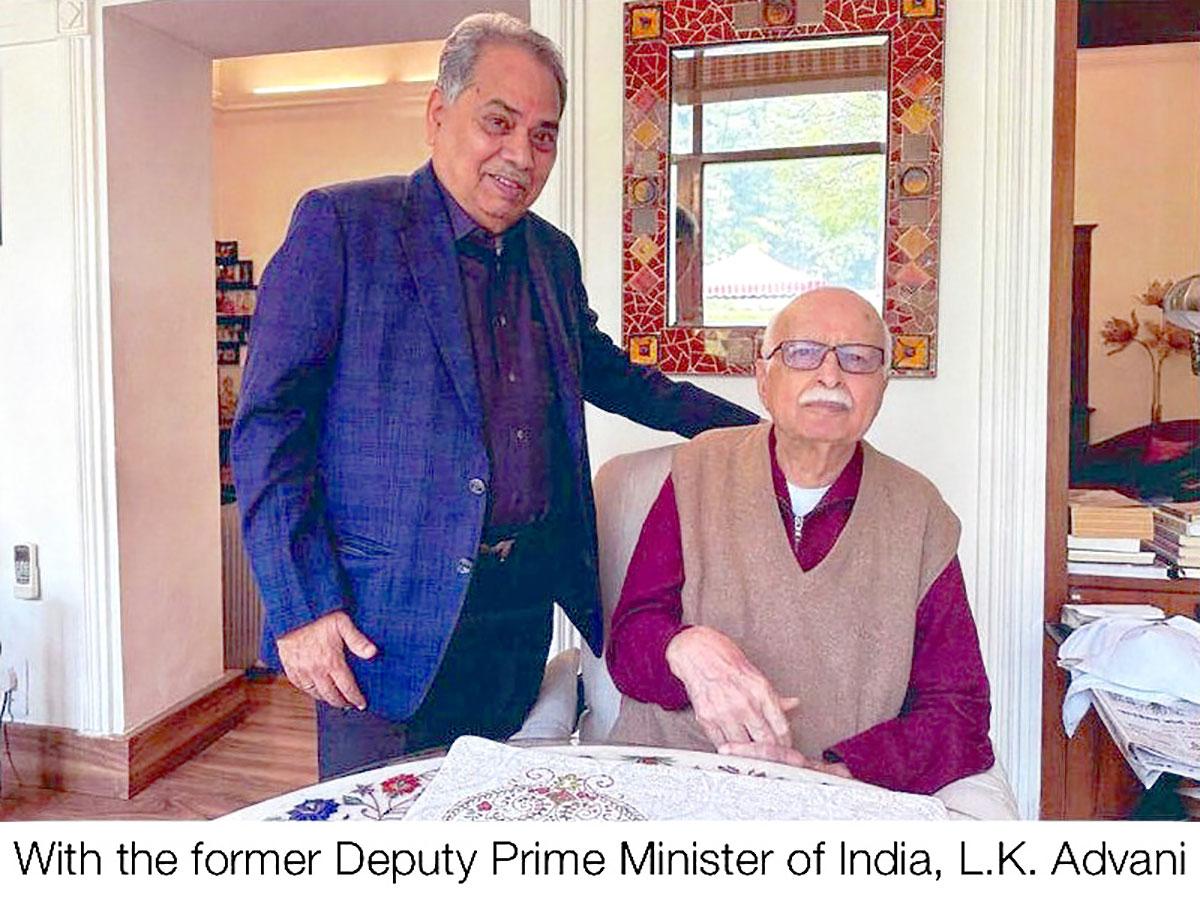
Apart from actors, you have got stitched garments for politicians like Farooq Abdullah, Ghulam Nabi Azad and L Ok Advani.
Every of them had a definite model.
Farooq Abdullah favored class, sharp, and easy strains.
Ghulam Nabi Azad most popular traditional Indian put on, all the time very neat.
Advaniji was very explicit — the match needed to be excellent. No compromise.
Once you work with such individuals, you perceive self-discipline differently. They worth your time, they respect your ability, and so they always remember your work.
For a star, you costume the character. For a politician, you costume the particular person.
An actor’s look adjustments with each movie — it is a part of the story. However a politician’s garments change into his id.
So with politicians, it’s important to assume long-term — consolation, respectability, and consistency. The color, the material, even the pocket placement, all the things carries which means.
{Photograph}: Sort courtesy Penguin India/Instagram
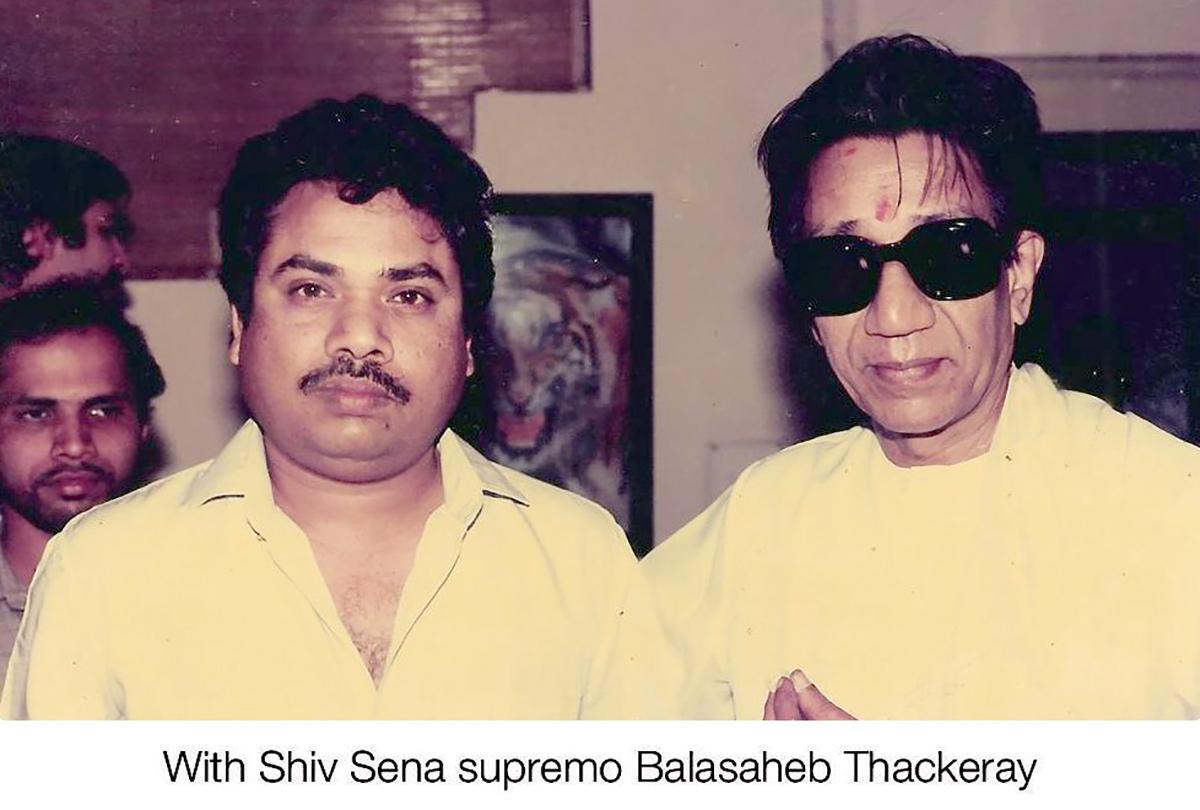
Balasaheb Thackeray helped you a large number.
Balasaheb was certainly one of a form — sharp, witty, and deeply loyal to these he trusted.
He had a eager eye for element.
He knew materials, cuts, even the autumn of the fabric.
Over time, our bond grew private.
He revered exhausting work, and when you earned his belief, he by no means forgot you.
His help gave me braveness in my early years in Mumbai.
You’ve made garments for Maharashtra politicians like Sharad Pawar, Vilasrao Deshmukh, Narayan Rane, Gopinath Munde.
Every of them had a definite persona and dressing model.
Narayan Rane favored crisp tailoring, very structured and clear.
Gopinath Munde was extra conventional. He most popular consolation and ease.
Sharad Pawar had a commanding presence; his garments needed to mirror authority.
Vilasrao Deshmukh was a real gentleman — heat, grounded, all the time smiling.
For me, stitching for them was not simply work. It was a matter of delight to characterize Maharashtra’s management via my craft.
You sew garments for Maharashtra Chief Minister Devendra Fadnavis even immediately. He wrote the foreword in your ebook.
Our affiliation goes again a few years to Nagpur.
After I requested him to write down the foreword for Stitching Stardom, he instantly agreed.
He understands the worth of custom, of labor performed by hand. His phrases within the ebook imply lots to me and my household.
{Photograph}: Sort courtesy Penguin India/Instagram
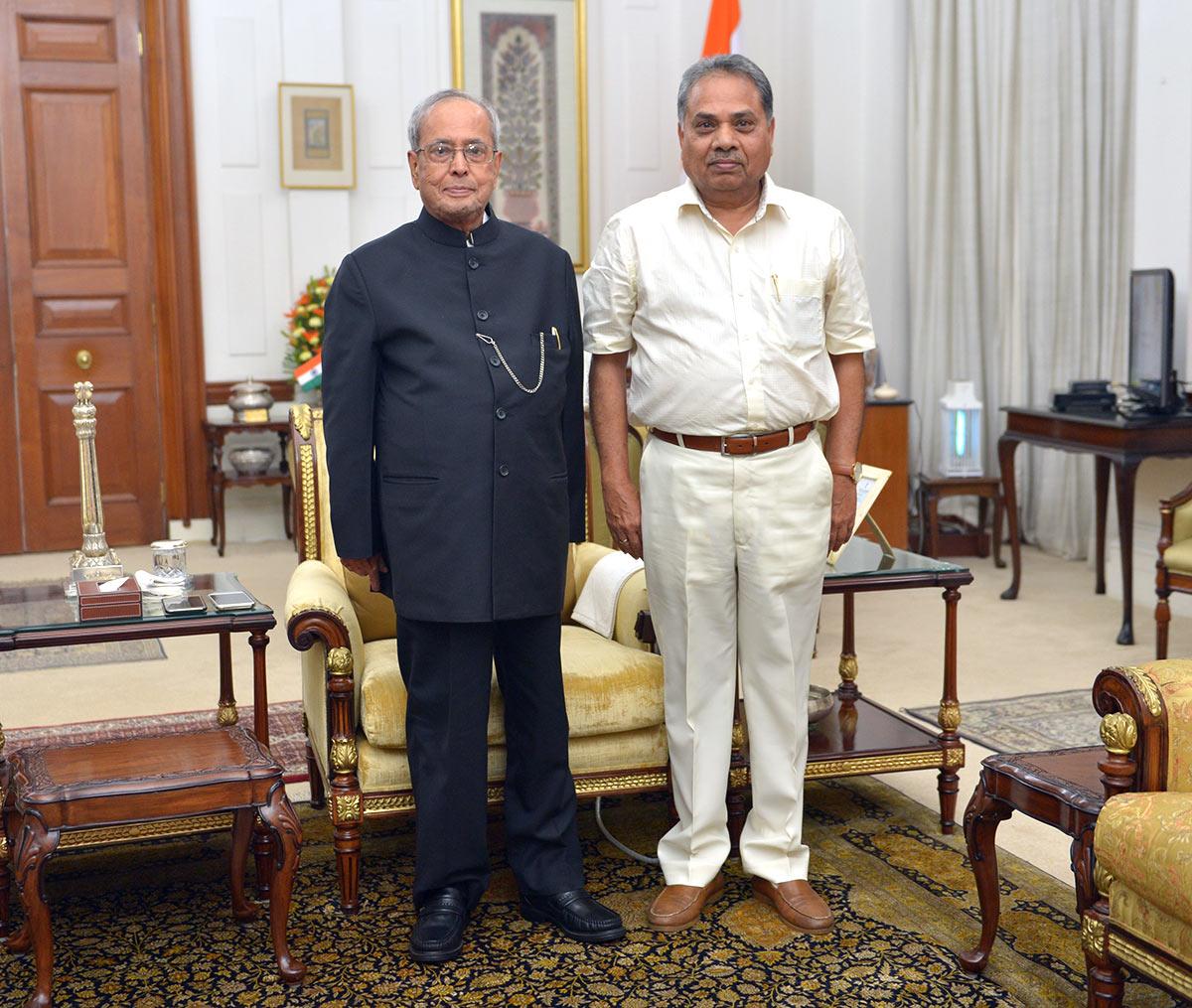
You’ve dressed Presidents and prime ministers.
It was a terrific honour.
Narasimha Raoji was easy and dignified.
President Pranab Mukherjee and Ram Nath Kovindji have been light and respectful.
Designing for such leaders felt like serving the nation via my craft.
How did you begin your tailoring profession?
I used to be born in Nagpur. I left house to seek out work and study the craft severely.
I went wherever there was alternative, from Gwalior, Delhi, Uttar Pradesh, Kolkata — every place taught me one thing new.
In these days, survival was a problem.
I did not have cash or contacts, simply my arms and a pair of scissors.
I used to work lengthy hours in small tailoring items, studying, observing, understanding what prospects favored.
Generally I slept within the store itself. However I by no means complained.
My first go to to Mumbai was to not calm down. I got here to see how the tailoring enterprise labored in an enormous metropolis.
I wished to know the distinction — the materials, the end, the client’s style.
After that, I went to Calcutta as a result of at the moment, it was an enormous hub for tailoring, particularly for movies and theatre.
I wished to shine my expertise, so I’d observe senior cutters and the way they formed the clothes.
Calcutta gave me that refinement.
{Photograph}: Sort courtesy Penguin India/Instagram
How did you begin tailoring for Bollywood?
After I got here again to Mumbai, I had nothing, simply my bag and my scissors.
I lived on the streets.
Quickly, I received a job in a well-known tailoring store.
Slowly, via word-of-mouth and help of few movie stars, I began my small store.
At some point, I received an opportunity to work on a full costume, and that modified all the things.
The manufacturing group favored my work, and shortly I began getting calls from assistant administrators and stylists.
Danny Denzongpa was one of many first massive stars I personally took measurements for.
I used to be nervous — my arms have been shaking! However Danny was very variety and humble.
After I made his outfit, he got here again and stated, ‘Good match.’ That gave me a lot confidence.
{Photograph}: Sort courtesy Penguin India/Instagram
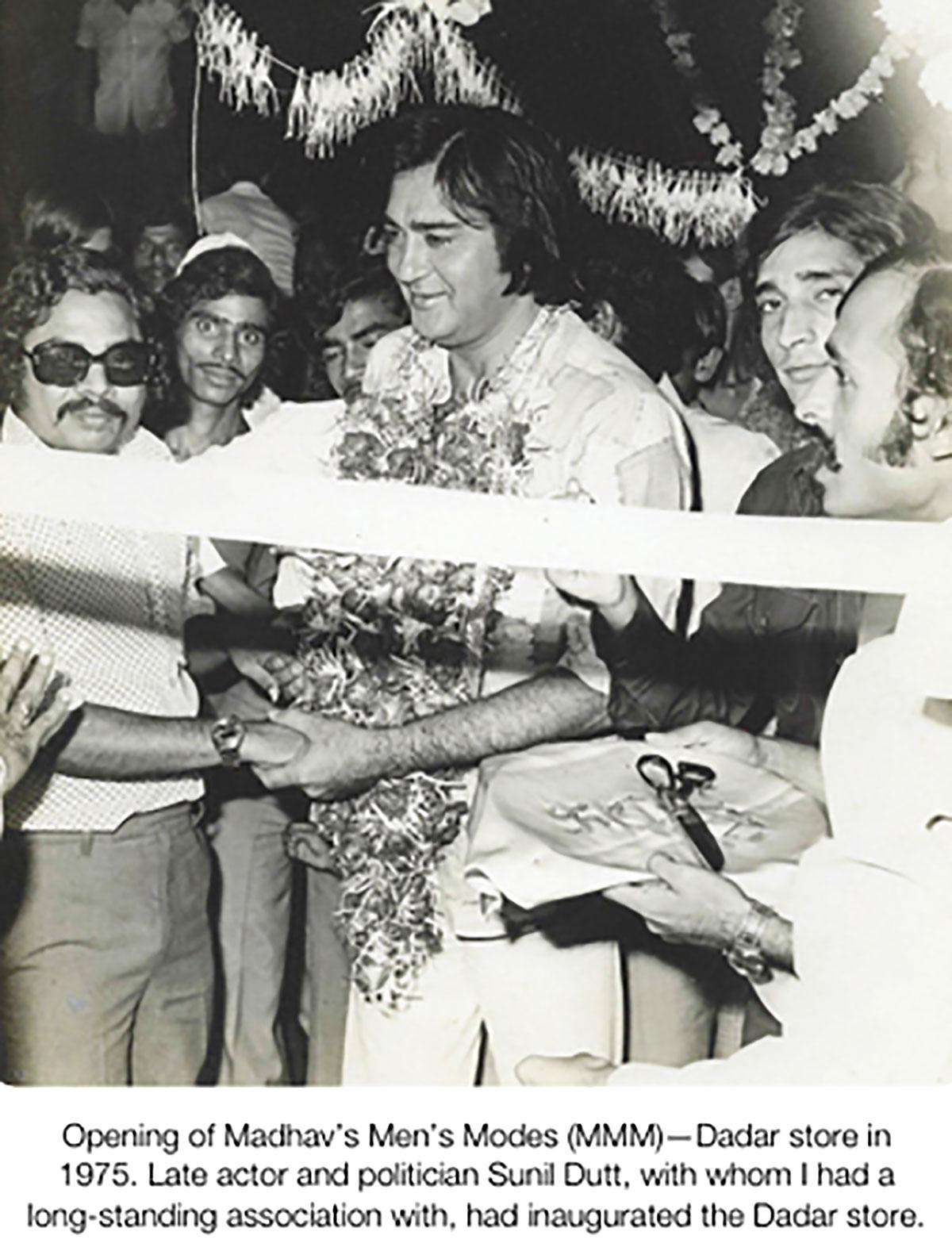
Sunil Dutt got here to the varsity you attended in Nagpur as a chief visitor. He additionally inaugurated your first retailer in Mumbai.
That is a really particular reminiscence. The college’s administration wished Sunil Dutt as chief visitor for his or her annual day.
I had labored with him in lots of movies, and that is why requested him to return to Nagpur. He agreed immediately.
Duttsaab additionally inaugurated my first retailer in Dadar (north central Mumbai).
You labored within the South Indian movie business. Was it tough?
Very tough. The South business had its personal ecosystem, its personal groups and traditions.
I did not know the language or the individuals.
What labored in my favour was my self-discipline.
As soon as they noticed the standard of my work and the respect I had for deadlines and detailing, they accepted me.
After that, I began doing common tasks for Tamil and Telugu movies.
They’re very skilled. When you show your self, they keep loyal.
Pictures curated by Satish Bodas/Rediff
Source link

latest video
latest pick





news via inbox
Nulla turp dis cursus. Integer liberos euismod pretium faucibua



